

Business Operation · 2025
In this section22 topics
- Corporate Information4 items
- Dividend Policy2 items
- Major Shareholders2 items
- Business Strategies Overview5 items
- Material Changes & Developments1 item
- Use of Proceeds from Securities Offerings1 item
- Commitments Made in the Registration Statement1 item
- Group Operating-Structure Policy1 item
- Companies Where the Company Holds ≥10%1 item
- Shareholders with Potential Conflict of Interest1 item
- Relationships Among Major Shareholders2 items
- Shareholders' Agreement1 item
- Shareholding Diagram (Group Structure)2 items
- Income Structure3 items
- Product / Service Characteristics3 items
- Research & Development4 items
- Assets Used in the Business4 items
- Marketing Policy & Competition5 items
- Procurement of Products & Services6 items
- Projects Under Construction1 item
- Debentures & Bills of Exchange1 item
- Convertible Securities1 item
Corporate Information
Company Name
NEWCITY (BANGKOK) PUBLIC COMPANY LIMITED
Telephone
0-2294-6999
Website
www.newcity.co.th
account@newcity.co.th
Dividend Policy
Dividend Policy
The company has a policy of paying dividends from retained earnings, not exceeding 50 percent of the net profit for each year, according to the audited consolidated financial statements for each accounting period. The dividend payment is subject to approval by the Annual General Meeting of Shareholders.
Historical Dividend Payments
| This Year | Last Year | 2 Years Ago | 3 Years Ago | Metric | Description |
|---|---|---|---|---|---|
| 0.03 | 0.14 | 0.09 | 1.03 | Net profit per share (Baht : Share) | Net profit per share (baht : share) |
| 0.01 | 0.03 | 0.02 | 0.14 | Dividend per share (Baht : Share) | Dividend per share (baht : share) |
| 0 | 50 | 0 | 0 | Dividend stock ratio (Number of original shares: dividend shares) | Ratio of stock dividend payment (existing share : stock dividend) |
| 0.01 | 0.03 | 0.02 | 0.14 | Dividend share value per share (Baht : Share) | Value of stock dividend per share (baht : share) |
| 1,524,998.96 | 4,485,300 | 2,990,200 | 2,093,140 | Total dividend payment value (Baht : Share) | Total dividend payment (baht : share) |
| 30.24 | 32.78 | 14.59 | 13.55 | Dividend payout ratio to net profit (%) | Dividend payout ratio compared to net profit (%) |
Business Strategies Overview
Chairman's Message
Dear Shareholders,
Over the past year, the company's business environment has been continuously affected by several external factors impacting the domestic economy and purchasing power.
In the first half of the year, the recovery of Thailand's tourism sector did not meet expectations. The tourism sector is a crucial mechanism of the Thai economy, and the incomplete return of international tourists affected consumer sentiment and spending across various economic sectors. Concurrently, the global economy is undergoing restructuring and a new international economic order (Global Realignment), encompassing trade policies, supply chain adjustments, and economic uncertainties in several regions, all of which impact the overall business environment.
In the latter half of the year, Thailand continued to face flood situations in many areas, affecting communities, transportation, and economic activities in certain regions, thereby increasing challenges in the domestic market.
Despite facing these external factors, New City (Bangkok) Public Company Limited and all its teams remain committed to continuous development and adaptation. The company has prioritized developing new products, creating brand value, and responding to ever-changing consumer demands.
One of the significant achievements this year is the launch of new products under the company's main brand. Cherilon namely Cherilon Collagen which marks another step in integrating innovation with comfort and quality for daily use. This new product reflects the company's commitment to creating new choices for consumers while strengthening the brand in the long term.
The company believes that success does not solely depend on favorable environmental conditions but rather on the ability to adapt, innovate, and foster cooperation among all parties within the organization.
On this occasion, on behalf of the company, I would like to express my gratitude to all shareholders, customers, partners, and employees for their continued trust and support of New City (Bangkok) Public Company Limited. The company will continue to strive for organizational development, product innovation, and responsible business operations to achieve stable and sustainable growth.
Mr. Boonpakorn Chokwatana Chairman of the Board
New City (Bangkok) Public Company Limited
Vision
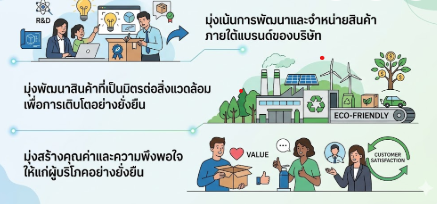
“Focusing on developing and distributing products under the company's brand.”
“Committed to developing environmentally friendly products for sustainable growth.”
“Committed to creating sustainable value and satisfaction for consumers.”
The company focuses on developing and distributing products under its own brand, prioritizing maximum consumer satisfaction while conducting business that generates long-term sustainable profits and growth. The company recognizes the importance of business operations that consider environmental and social impacts, and also values the needs of customers and all stakeholders.
The company has a vision to become a leader in distributing environmentally friendly products, adhering to the principles of Sustainable Development to create long-term value for consumers, society, and the environment.
In its operations, the company emphasizes supporting the concept of a Circular Economy by promoting recycling and the selection of sustainable materials to reduce environmental impact from production processes and business operations. Furthermore, the company supports the use of renewable energy and the adoption of environmentally friendly technologies in production processes and operations to enhance business efficiency while maintaining environmental balance sustainably.
Mission (MISSION)
-Develop high-quality and environmentally friendly textile products.
-Create CHERILON products that cater to women of all body types.
-Conduct business with transparency and good governance.
-Continuously develop personnel potential.
-Rapidly adapt to accommodate market changes.
-CHERILON: Beautiful in every dimension, moving forward steadily and sustainably with customers.
Develop high-quality and environmentally friendly textile products.
The company is committed to developing textile products that are high-quality, standardized, and safe for consumers, emphasizing the selection of environmentally friendly materials and production processes that reduce impact on nature, thereby supporting sustainable business operations.
Create CHERILON products that cater to women of all body types.
The company aims to design and develop products under the Cherilon brand to meet the needs of women of all ages and body types, focusing on beauty, wearing comfort, and quality that enhances consumers' personality and confidence.
Conduct business with transparency and good governance.
The company prioritizes conducting business with transparency, integrity, and adherence to good governance principles to build trust among shareholders, partners, customers, and all stakeholders.
Continuously develop personnel potential.
The company continuously promotes the development of knowledge, abilities, and skills of personnel at all levels to enhance work efficiency and support the long-term growth of the organization.
Rapidly adapt to accommodate market changes.
The company prioritizes continuously monitoring market trends, technology, and changing consumer behavior, while promptly adjusting strategies and developing products to align with market demands.
CHERILON: Beautiful in every dimension, moving forward steadily and sustainably with customers.
Reflects the brand's commitment to developing products that enhance consumers' confidence and beauty, while growing alongside customers and building long-term sustainable relationships.
Objectives
Objectives (Objectives)
-
Develop and distribute quality textile products to meet consumer needs.
-
Strengthen the company's brand to be recognized in the market.
-
Achieve sustainable business growth and profitability.
-
Expand distribution channels and customer base more comprehensively.
-
Conduct business with social and environmental responsibility.
-
Continuously develop personnel and organizational capabilities.
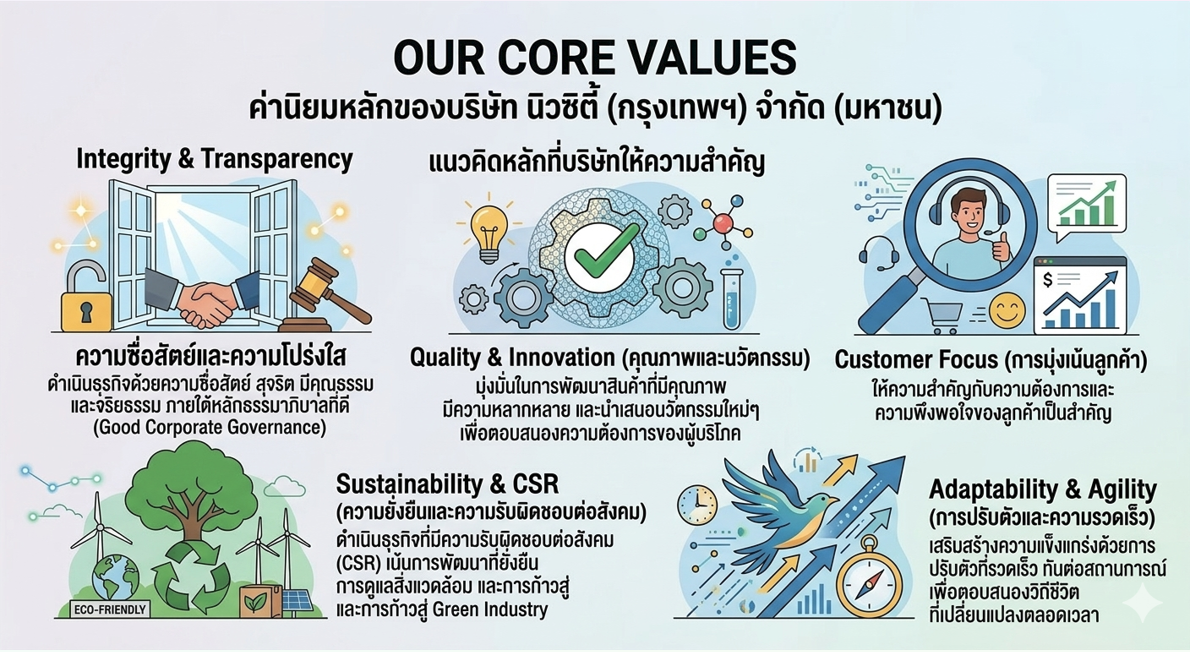
Corporate Values (Core Values)
Customer Focus
Prioritize consumer needs and satisfaction.
Quality Commitment
Committed to developing quality and standardized products and services.
Integrity & Transparency
Conduct business with integrity, transparency, and adherence to good corporate governance principles.
Innovation & Development
Promote creativity and product innovation development.
Sustainability
Conduct business with social and environmental responsibility.
Operational Strategies (Strategy)
1. Product Development Strategy
Develop quality and innovative products to meet consumer needs.
2. Brand Development Strategy
Strengthen the company's brand image and market strength.
3 . Distribution Channel Expansion Strategy
Increase distribution channels, including department stores, authorized dealers, and online platforms.
4. Efficient Organizational Management Strategy
Develop management systems and personnel to enhance operational efficiency.
5. Sustainable Business Operations Strategy
Support the use of environmentally friendly materials and efficient resource utilization.
Goals
Business Objectives for the Next 2–5 Years
Amidst global economic uncertainties, fluctuating energy prices, and the impact of geopolitical conflicts in various regions, the Company has set its business direction for the next 2–5 years. The focus is on strengthening the organization, managing risks, and maintaining business competitiveness to ensure the Company's stable and sustainable long-term growth. The key objectives are as follows:
1. Maintaining Revenue Stability and Continuous Growth
The Company aims to maintain revenue stability from its core business while fostering appropriate growth through new product development and customer base expansion, to meet continuously evolving consumer demands.
2. Enhancing Cost Management and Supply Chain Efficiency
The Company prioritizes efficient management of production costs and raw material procurement, including diversifying raw material sources to mitigate risks from fluctuating energy prices, transportation, and global supply chain uncertainties.
3. Product Innovation and Market Differentiation
The Company focuses on developing quality products and new innovations to add value to its goods and meet the needs of modern consumers, especially products with special features such as wearing comfort, fabric technology, and the use of environmentally friendly materials.
4. Expansion and Development of Distribution Channels
The Company plans to develop distribution channels, including both retail stores and online channels, to increase access to target customers.
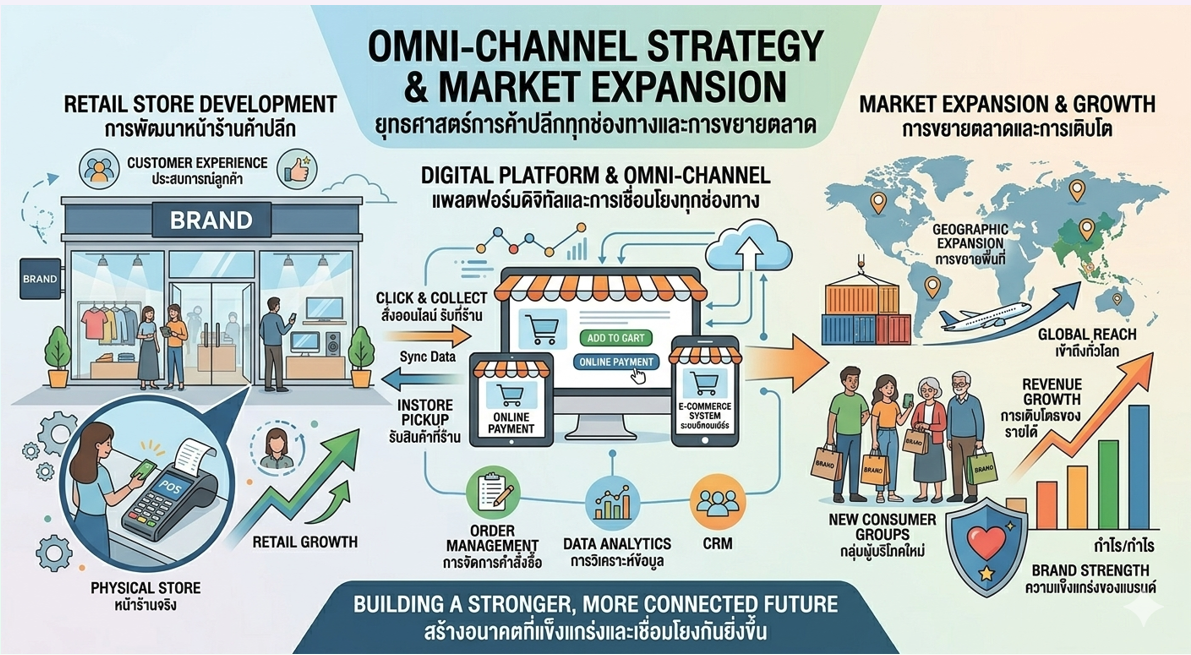
This includes developing sales systems through digital platforms to accommodate changing consumer behavior, as well as expanding the customer base and increasing business growth potential through the development of new markets in terms of geographical areas and consumer segments, to strengthen the CHERILON brand. and increase long-term market opportunities.
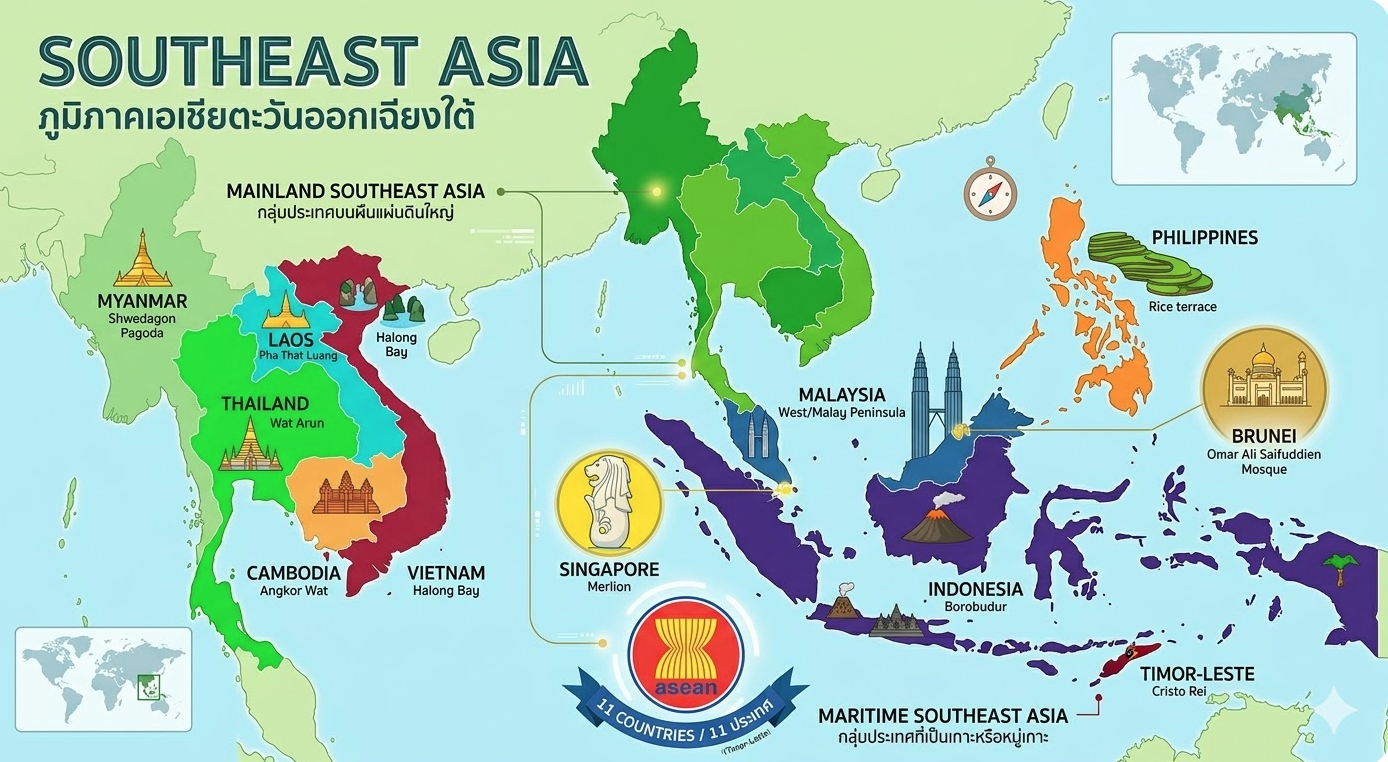
Regarding international market expansion, the Company plans to study the feasibility of expanding product distribution to markets in Southeast Asia within 4 years. The focus will be on countries with high growth potential in the fashion and textile markets, as well as establishing collaborations with business partners and distributors in each country to increase consumer access and build brand awareness at a regional level.
Furthermore, the Company plans to develop products and marketing strategies to expand its customer base to new generations of consumers, particularly Gen Z, within 3 years. This group significantly influences fashion trends and purchasing behavior in the digital era. The Company will focus on designing modern products that align with the lifestyle of new-age consumers, as well as utilizing communication channels through online platforms and social media to increase reach to target customer groups and enhance the brand's modern image.
5. Sustainable Business Operations
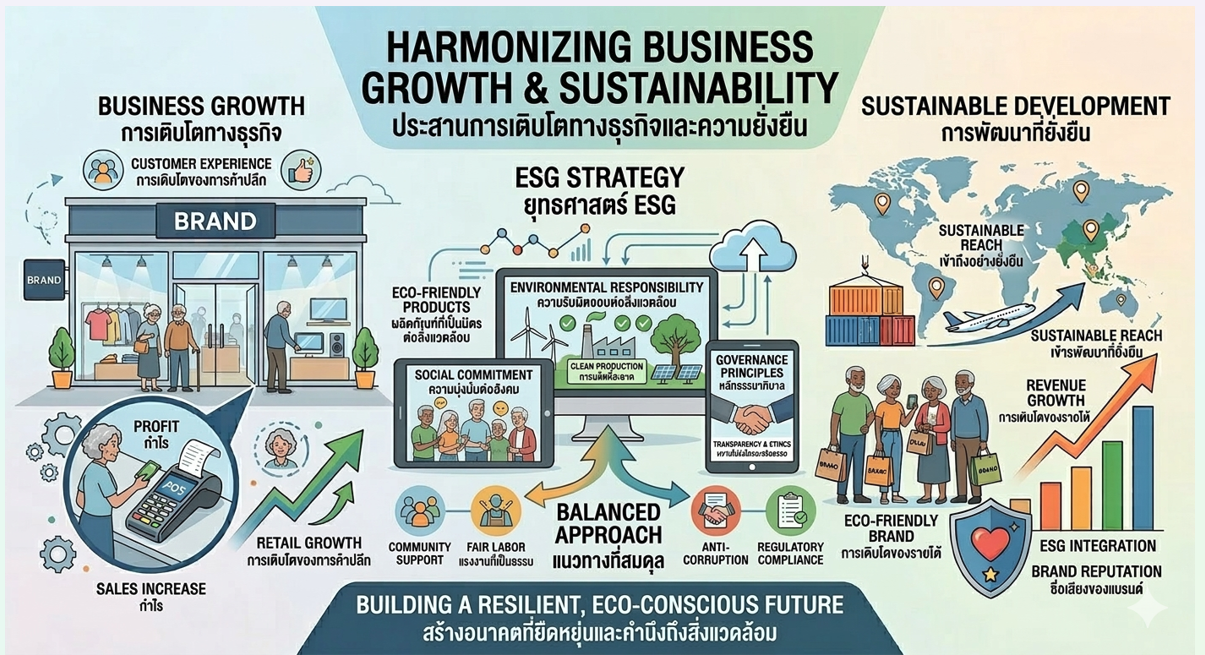
The Company aims to conduct business with responsibility towards the environment, society, and good governance (ESG), emphasizing the development of environmentally friendly products, efficient resource utilization, and balancing business growth with organizational sustainability, including developing sales systems through digital platforms to accommodate changing consumer behavior.
6. Organizational and Personnel Capability Development
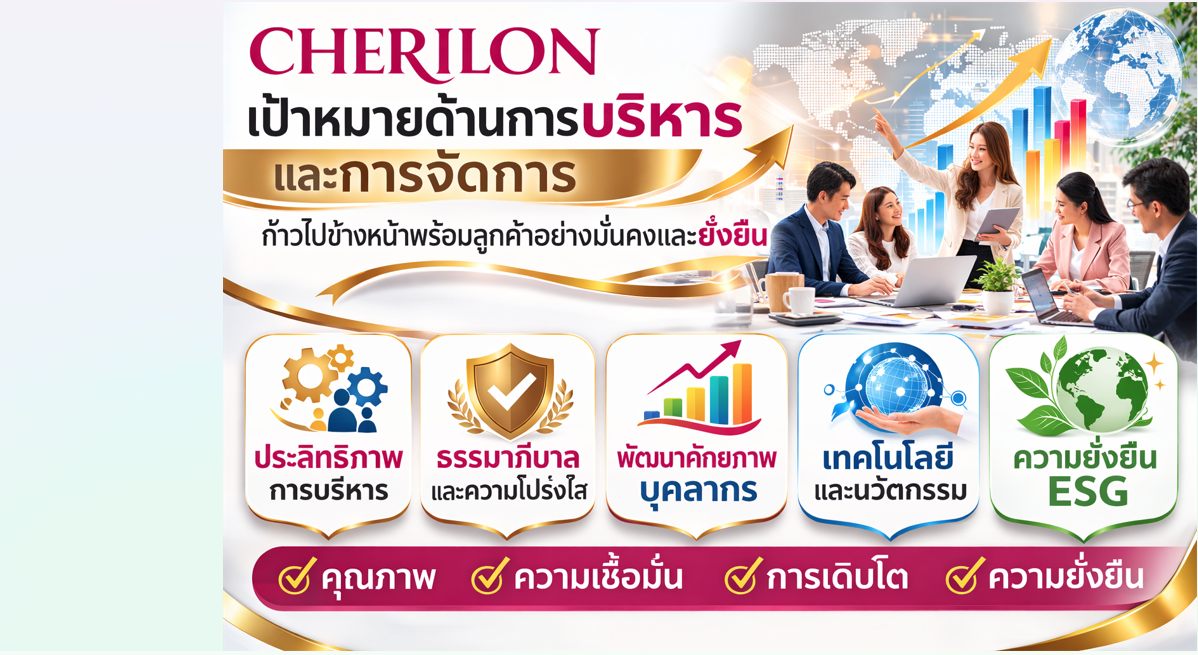
The Company prioritizes personnel development and the adoption of digital technology in management to enhance operational efficiency and prepare for changes in the business environment.
7. Management and Administration Objectives
The Company aims to develop efficient, transparent organizational administration and management systems that align with the principles of Good Corporate Governance, to build confidence among all stakeholders and support stable and sustainable business growth. The key objectives are as follows:
7.1. Development of an Efficient Organizational Management System
The Company aims to develop its internal management processes to be agile, transparent, and auditable, by adopting good governance principles to enhance operational efficiency and support strategic decision-making by management.
7.2. Strengthening Good Corporate Governance Systems
The Company prioritizes conducting business under the principles of good governance, transparency, and business ethics. Clear policies and guidelines are established to ensure that the organization's operations are correct, fair, and consider the interests of all stakeholders.
7.3. Adoption of Digital Technology in Management
The Company has a policy to promote the adoption of information technology and digital systems in organizational management to enhance operational efficiency, reduce process redundancy, and support data analysis for business decision-making.
7.4 . Risk Management and Internal Control
The Company aims to develop efficient risk management and internal control systems to prevent and mitigate the impact of potential risk factors, as well as to ensure long-term business stability.
Business Strategies
Operational strategies
The company has developed an operational plan under its Business Plan for management, covering four dimensions of work: Financial dimension, Customer and Market dimension, Internal Operations dimension, and Employee and System Capability dimension. Each dimension discusses strategies and various projects or concepts that will support these strategies to achieve the set goals. The company's business plan can be summarized as follows:
- Financial dimension To increase revenue and reduce costs to maximize profit for the company.
The company sets sales targets and defines strategies to drive sales through each channel, such as product presentation, developing standards for store layout and product arrangement to attract customers, sales planning, and setting appropriate selling prices, etc. The objective is to achieve the defined sales targets. This also includes preparing expenditure budgets and revenue sources, which will impact the company's performance. Furthermore, the company prepares annual budgets for each department with monthly details, allowing each unit to control expenses against the budget and proceed with spending supported by the budget. In this dimension, the company's operations also involve financial analysis to strengthen business operations with reasoned support through analyzing the pros, cons, and financial impacts on the company, such as analyzing break-even points, profitability, payback period, and return on investment, among others.
-Customer and market dimension
The company recognizes that customers are of utmost importance in business operations. To ensure that services can create customer satisfaction and meet customer needs beyond expectations, the company has developed Service Quality Programs, which are tools to enhance service quality, various systems, and personnel potential to achieve excellence for competitive advantage and appropriate service. The quality of service will be evaluated according to established indicators to provide services that meet or exceed customer expectations.
-Operational dimension
The company focuses on developing work processes to be fast while maintaining efficiency and reducing operational risks by creating work systems and integrating technology into work processes. Furthermore, the company emphasizes work standards, thus establishing Standard Operating Procedures (SOPs) for various work steps. This means that all work processes will have standards for operators to follow correctly. SOPs will serve as crucial tools for business expansion, controlling and auditing operations, standardizing training and utilizing time efficiently, reducing management time for executives, and promoting and supporting the quality of the company's services.
-Employee and system capability dimension
The company has always recognized that all employees are valuable resources of the company and have equal opportunities for growth and career advancement. Therefore, developing employees' career paths and skills is of utmost importance to the company. The company has thus developed plans and projects to enhance employee potential, encouraging employees to acquire various knowledge and skills to improve work efficiency. The objective is for employees to grow in their careers, perform their duties effectively, and advance to higher positions of responsibility. The company's employee development plan is as follows:
1. Career Path Development: The company has developed a career path plan for all employees, with the following steps:
1.1 Defining the structure of departments/divisions within the company
1.2 Reviewing and preparing documents regarding the roles and responsibilities (Job Descriptions) for each position. 1.3 Defining competencies for each position.
1.4 Defining the promotion/position advancement period (Service Time)
1.5 Conducting Training
1.6 Performance Evaluation
1.7 Succession Planning
1.8 Leadership Development
2. Skills Development
The company has developed projects and plans for employee potential development through training and activities to enhance job-related skills based on the defined competencies for employees, categorized into 3 types of competencies:
2.1 Core Competency: This is a competency that all employees at every level within the company should possess.
2.2 Functional Competency: This is a competency specifically required for a particular job position that employees in that position should possess. The company has defined training courses based on the skills, knowledge, and abilities that employees in each position need to apply in their work.
2.4 Development of Communication Skills
To enable personnel to communicate and collaborate effectively with others, such as:
-
Presentation
-
Negotiation
-
Teamwork
2.5 Development of Professional Skills
This involves enhancing specialized knowledge and skills directly related to the job, such as:
-
Knowledge in accounting, finance, or marketing
-
Knowledge in textile and fashion production
-
Knowledge in sales and customer management
-
Work planning
-
Team management
-
Strategic decision-making
3. Measurement and Evaluation (or Performance Management): The company conducts performance evaluations, which are divided into two aspects as follows:
3.1 Annual performance evaluation using Key Performance Indicators (KPIs), which is an important tool to help executives, supervisors, and employees see the success of annual performance results.
3.2 Assessment of Professional Behavior (PB), considering cooperation and assistance to various departments, diligence and dedication to work, having a Growth Mindset, and discipline and adherence to company rules (including absenteeism and leave). Summary of the operational plan developed under the Business Plan for managing sales, marketing, finance, and operations. In all sections An action plan has been developed to enhance Key Performance Indicators (KPIs) for evaluating the performance and potential of each department, with the goal of achieving the defined objectives.
Strategies for coping with risks from the global economy and war situations
Given the uncertain global economic situation and conflicts in several regions, the company has established risk management and business operation guidelines to cope with such fluctuations, as follows:
1. Efficient cost and raw material management
The company prioritizes managing production costs and raw material procurement by diversifying raw material sources from multiple suppliers to reduce risks from price fluctuations and raw material shortages.
2. Increasing supply chain flexibility
The company appropriately plans inventory and logistics management, as well as closely monitors global economic and trade situations to quickly adapt to market changes.
3. Expanding distribution channels through digital platforms
The company aims to develop distribution channels through online platforms and marketplaces to increase opportunities for reaching new customer segments and reduce limitations arising from economic situations or travel restrictions.
4. Value-added product development
The company aims to develop quality and innovative products to differentiate itself from competitors and meet the current needs of consumers, such as comfortable-to-wear products, special fabric technology, and environmentally friendly products.
5. Sustainable business operations
The company prioritizes conducting business under the principles of sustainability, considering the impact on the environment, society, and all stakeholders to ensure the organization's long-term stability and growth.
Material Changes & Developments
Material Changes & Developments
| Year | Description |
|---|---|
| 2,025 | In 2020, the customer base was expanded, and online traffic was increased using LINE for Business and LINE Ads Platform to adapt the brand on the website. www.cherilon.com To accommodate the shopping behavior of digital-era customers, the company diversified its product lines to better meet the needs of modern women, including Legwear, Innerwear, and Shapewear. To make purchasing easier and to address how to increase customer awareness, online advertising was initiated to promote the use of the LINE Ads Platform. Advertising on LINE serves as a primary channel due to its ability to reach over 46 million LINE users in Thailand.
On December 1, 2021, the company implemented electronic tax invoices (e-Tax Invoice & e-Receipt) to promote and support government policies aimed at reducing paper document usage, thereby mitigating global warming, and lowering operational costs and management expenses for both public and private sectors. This initiative offers benefits such as reducing redundancy and issues associated with paper document management, saving time and delivery costs, and enabling immediate processing of data within internal information systems. It also prepares the company for electronic transactions, ensuring the reliability and legal enforceability of electronic data. The documents generated include Tax Invoices, Debit Notes, Credit Notes, and Receipts, which are created as electronic data and affixed with a Digital Signature, then submitted to the Revenue Department and business partners electronically.
In 2022, an operational plan under the Business Plan was developed and implemented for the management of sales, marketing, finance, and operations across all departments. This included the creation of an Action Plan, KPI (Key Performance Indicator) metrics, and PB (Professional Behavior) to enhance work efficiency. On December 13, 2022, the Board of Directors resolved to appoint three sub-committees and their charters as follows: 1. Nomination and Remuneration Committee, 2. Corporate Governance and Sustainability Committee, and 3. Risk Management Committee.
On April 25, 2023, a resolution was approved to change the par value of the company's shares from 10 Baht to 1 Baht per share, increasing the number of paid-up shares from 14,951,000 shares to 149,510,000 shares.
On June 27-28, 2024, the company will host a celebration for its 60th anniversary of success, bringing a wide array of quality products under the Cherilon brand and exclusive promotions for customers to enjoy at the CHERILON WORLD booth within the "SAHA Group Fair & Fest 28th" at BITEC Bangna. Concurrently, a new brand image will be unveiled under the concept "Become The Real You," which aims to reflect everyone's true identity and beauty. Discover a new experience filled with special offerings.
On January 29, 2024, Her Royal Highness Princess Maha Chakri Sirindhorn traveled by royal car to the Prostheses Foundation of H.R.H. the Princess Mother in Mae Rim District, Chiang Mai Province. Her Royal Highness presided over the 2024 annual general meeting of the Board of Directors of the Prostheses Foundation of H.R.H. the Princess Mother and cut the ribbon to open the exhibition commemorating the 30th anniversary of the Prostheses Foundation of H.R.H. the Princess Mother. Mr. Pipop Chokwatana, the company's Managing Director, was honored to receive a commemorative plaque from Her Royal Highness Princess Maha Chakri Sirindhorn. He expressed immense gratitude for receiving the plaque in recognition of the continuous support provided to the Prostheses Foundation.
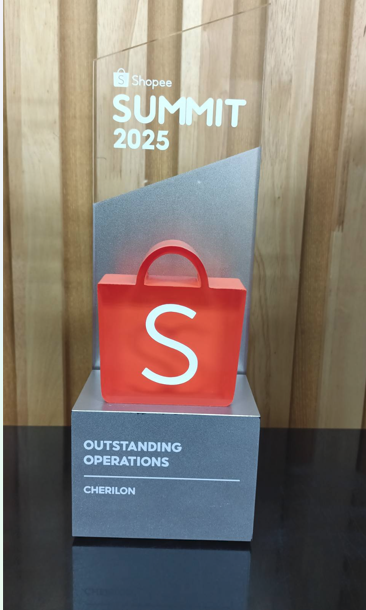
During June 27-30, 2024, a celebration for the 60th anniversary of the Cherilon brand's success will be held at the "SAHA Group Fair & Fest 28th" at the CHERILON WORLD booth, located at BITEC Bangna. This event will be a significant opportunity to showcase the Cherilon brand's achievements and growth over 60 years, while also allowing attendees to experience new innovations and offerings presented by the brand. May 27, 2025, and November 27, 2025. The company proceeded with the registration of a change in its registered capital with the Department of Business Development to align with the increase in the company's registered capital. Following this change, the company's registered capital amounts to 152,500,200 Baht, divided into 152,500,200 shares. Par value of 1 Baht per share, totaling 152,500,200 ordinary shares. In 2025, the company received an award. “Shopee Outstanding Operations Award 2025” from Shopee, an award presented to organizations demonstrating excellence in managing operations on e-commerce platforms. This reflects the company's potential in system management, customer service, and efficient development of online sales channels.
|

Use of Proceeds from Securities Offerings
Is There Money Raised from a Securities Offering Still to Report On?
No
Commitments Made in the Registration Statement
Are There Commitments or Conditions from an Offering or Listing?
No
Group Operating-Structure Policy
Description
Policy on the segregation of operations within the group of companies.
New City (Bangkok) Public Company Limited ("the Company") has clearly defined its policy for segregating operations within the group of companies, separating the roles and responsibilities between distribution and production to enhance the efficiency of supply chain management and appropriately meet customer demands. The key details are as follows:
1. Forecast Order Management.
The company acts as a distributor, receiving orders from customers and analyzing this data to prepare estimated orders (Forecast Orders) to be sent to New Plus Knitting Public Company Limited, which is the group's primary manufacturer.
The preparation of Forecast Orders will be conducted in advance for a period of approximately 9 months to 1 year. depending on the product type, to enable appropriate production planning and reduce the risk of product shortages.
2. Factory Production Planning.
New Plus Knitting Public Company Limited and its group factories will utilize the received Forecast Order data for production planning, covering.
-
Production capacity preparation.
-
Planning for machinery and labor utilization.
-
Determination of production and delivery lead times.
This is to ensure that products can be manufactured efficiently in accordance with the quantity and timeframe required by customers.
3. Monitoring, Inspection, and Evaluation.
The company continuously monitors the progress of production and product delivery, conducting monthly inspections to evaluate production efficiency, product quality, and on-time delivery.
The results of such evaluation will be used to improve operational plans and enhance management efficiency in the next phase.
4. Production Coordination and Plan Adjustment.
The manufacturing factory will use Forecast Order data as primary information for production planning, raw material preparation, and resource allocation.
In the event of order changes, the company will promptly notify the factory to update the Forecast Order information, enabling efficient adjustment of production plans to align with changing demands.
5. Decision-making and Delegation of Authority Policy.
5.1 Principles for Policy Formulation and Management.
The company has an executive committee that collaborates in setting directions, strategies, and operational policies, with a clear definition of authority and responsibilities to ensure agile, transparent, and auditable management.
5.2 Delegation of Decision-making Authority.
The company has established a framework for delegating authority, allowing managers in each department to make decisions within their scope of responsibility without necessarily having to submit every matter to senior management. This is to enhance the speed and efficiency of operations.
5.3 Decision-making in cases exceeding authority.
In cases where a matter exceeds the authority of a department manager, the relevant parties must report and submit the matter to the appropriate executive or committee with authority, according to the hierarchical structure, for consideration and approval as per established procedures.
5.4 Segregation of Duties and Responsibilities.
The company clearly defines the duties and responsibilities of each department to ensure systematic and consistent operations. Employees at all levels must perform their duties with responsibility, integrity, and adherence to business ethics.
Companies Where the Company Holds ≥10%
Companies (≥10% Holding)
| Company Name | Address | Province | Zip Code | Telephone | Fax | Business Type | Security Type | Shares | Paid-up Shares |
|---|---|---|---|---|---|---|---|---|---|
| New Plus Knitting Public Company Limited | 34 Moo 20, Suwinthawong Road, Saladaeng Sub-district, Bang Nam Priao District | Chacherngsao | 2400 | 038 593127 | 038 593125 | Textile Manufacturer | Common shares | 10,000,000 | 10,000,000 |
Income Structure
Product / Service Income
| Category | Description | This Year | This Year % | Last Year | Last Year % | 2 Years Ago | 2 Years Ago % |
|---|---|---|---|---|---|---|---|
| Total revenue from operations | Total revenue from operations | 494,875 | 100 | 502,931 | 100 | 525,243 | 100 |
| Textile | 381,038 | 77 | 377,425 | 75.05 | 380,556 | 72.45 | |
| Cosmetics | 87,420 | 17.67 | 97,719 | 19.43 | 97,482 | 18.56 | |
| Other | Others | 26,417 | 5.34 | 27,787 | 5.53 | 47,206 | 8.99 |
Export Income
| Category | Description | This Year | This Year % | Last Year | Last Year % | 2 Years Ago | 2 Years Ago % |
|---|---|---|---|---|---|---|---|
| Total revenue | Total revenue | 494,875 | 100 | 502,931 | 100 | 525,243 | 100 |
| Domestic | Domestic | 436,775 | 88.26 | 466,204 | 92.7 | 511,316 | 97.35 |
| International | International | 58,100 | 11.74 | 36,727 | 7.3 | 13,927 | 2.65 |
Other Income
| Operating Other Income | Non-Operating Other Income | Share of Profit |
|---|---|---|
| 1710 · As of year: 19184.0 · Description: Total other income · As of yesteryear: 9629.0 · As of year before yesteryear: 6596.0 · 1711 · As of year: 11940.0 · Description: Other income from operations · As of yesteryear: 3337.0 · As of year before yesteryear: 2402.0 · 7244.0 · Description: Dividend Income · As of yesteryear: 6292.0 · As of year before yesteryear: 4194.0 | 1712 · As of year: 7244.0 · Description: Other income not from operations · As of yesteryear: 6292.0 · As of year before yesteryear: 4194.0 · 4851.0 · Description: Reversal of impairment allowance for investment in associates · As of yesteryear: 1316.0 · As of year before yesteryear: 1257.0 | 1713 · As of year: 985.0 · Description: Share of profit · As of yesteryear: -2392.0 · As of year before yesteryear: -752.0 |
Product / Service Characteristics
Introduction
The company operates as a distributor of textile products, with its own trademarks under the brands Cherilon for women and SanRemo for men. The company focuses on developing and distributing quality products to meet diverse consumer needs in terms of functionality, comfort, and modern design. It is committed to developing textile products with special properties to address consumer demands for hygiene and wearing comfort, with fiber structures designed to help reduce the accumulation of bacteria and fungi, as well as possessing good sweat absorption and ventilation properties, which help reduce dampness and enhance cleanliness during use.
In 2025, the company launched significant collections, including: Collagen Collection which involves applying nano-fiber innovation in the textile industry by combining Masterbatch technology with collagen extract from Cod Fish, a deep-sea fish with high-quality collagen. This fiber has been developed into Nylon Collagen Fiber and woven using Seamless technology, resulting in products that are smooth, seamless, and soft to the touch when worn, with the key feature of helping to retain skin moisture during use.
Additionally, collagen fibers have the property of creating a thin, flexible film on the skin, which helps reduce water loss and maintain skin moisture balance, resulting in soft, smooth skin. They also help control the skin's pH balance and reduce dryness issues.
Products in this collection cover several categories, including:
-
Ankle socks
-
Ankle-length socks
-
Stockings
-
Arm sleeves
-
Crop top camisoles
-
Crop bras
-
Underwear
The company categorizes its textile and apparel product lines by product type and trademark to cover the needs of consumers in each target group. These can be divided into the following main product lines:
-
Stockings and socks product line
under the trademarks CHERILON, GOLDENLEGS, Anfana, and NAMI, which are products designed for comfortable wear, flexibility, and suitability for daily use. -
Lingerie and sleepwear product line for women
under the trademarks CARA, CHERILON INTIMATE, and NAMI. focusing on designs that provide softness, comfort, beauty, and suitability for women's use. -
Fashion shirts and pants product line
under the trademarks Cherilon Basic and Cherilon Leggings, which are fashion apparel products designed to be modern, comfortable, and versatile for various occasions. -
Men's underwear product line
under the SANREMO trademark, focusing on fabric quality, fit, and wearing comfort. -
Stockings, socks, and children's clothing product line
under the Young Cherilon trademark, designed to be suitable for children's use, prioritizing softness, comfort, and safety during wear.
Additionally, the company distributes products in the cosmetics and skincare group, which includes products under the company's own trademarks and products sourced from external manufacturers, to increase product variety and meet consumer demands in the market. Details are as follows:
6. Body Care Products under the Company's Trademarks
under the SCRUPLE trademark.
categorizing cosmetic and skincare products by usage type to align with consumer behavior and industry standards, which can be divided into the following main categories:
6.1 Cleansing Products
including facial and body cleansing products such as milk cleansers, facial foams, soaps, and other skin cleansing products.
6.2 Skin Conditioning Products (Toner / Skin Preparation Products)
including toners or products used to balance and prepare the skin before treatment, such as whitening toners.
6.3 Skincare / Treatment Products
including facial and body nourishing products such as creams, serums, skin nourishing gels, and moisturizing products like Aloe SoothingGel and SCRUPLES VITAL BRIGHTEN UP SERUM, which possess intensive skin nourishing properties that help brighten the skin.
6.4 Body Care Products
including products for cleansing and nourishing the body, such as shower creams, lotions, liquid soaps, and other body care products.
7. Outsourced Products
The company acts as a distributor for outsourced skincare products to increase product variety in the beauty product group, specifically Thanaka products under the trademark De Leaf Thanaka for which the company acts as a distributor.
8. Whitening Products
The company imports skincare products from abroad to increase product variety in the beauty product group. These are imported from the Republic of Korea under the trademark Jungnani and Gold Energy & Snail Synergy which consists of facial and body cream products.
The company acts as an importer and distributor of these products, focusing on selecting high-quality and standardized items to meet consumer demands and enhance the company's competitiveness in the cosmetics and skincare product group.
Business Type
3114
Business Groups
| Business Group | Description |
|---|---|
| Stockings/Socks | Pantyhose The company specializes in the distribution of hosiery products, being one of the first businesses in Thailand to do so. The company is a distributor of hosiery products under the brand name CHERILON for over 61 years, in collaboration with New Plus Knitting Public Company Limited, an associate company and a manufacturer specializing in high-quality hosiery production. The company's products are diverse, covering both full-length and half-length pantyhose, and are developed using special yarns with unique properties to accommodate various consumer needs, including comfort, durability, and specialized applications. Products can be categorized by their usage characteristics as follows: 1. Fashion Pantyhose
2. Comfort Pantyhose
3. Support / Functional Pantyhose
4 . Functional Pantyhose 4.1 Over Knee Tights
4.2 Fancy Collection
4.3 Winter Tights
5. Socks
For more information about the company's products, details can be found on the company's website and www.cherilon.com, which compiles comprehensive and up-to-date product information. Product HighlightThe company continuously develops products to meet market demands, with key product examples as follows: 1. Fashion and Functional Pantyhose Collection
2. Support Series (Health and Support Pantyhose)
3. Sheer / Nude Series Pantyhose
4. Special Segment Products
5. Seasonal & Innovation Products
6. Kids Collection
7. Socks Collection (Socks) 7.1 Functional Socks Ankle-high socks developed with Silver Ion particle-infused fibers, which inhibit microorganisms on the product surface, reduce odors, and enhance hygiene during wear, while maintaining softness, lightness, and good breathability. 7.2 Sheer Support Socks Made from special fibers that provide a cool and comfortable sensation (Cool Filament), offering good elasticity and a snug fit, with reinforced durability at the toes. Suitable for daily wear. 7.3 Basic / Daily Socks White socks made from Nylon blended with Spandex, providing a snug and comfortable fit. Suitable for students, medical personnel, and the general public, and can be used for various occasions. |
| Sleepwear and Underwear | Product Development and Innovation in Sleepwear and Intimate ApparelIn 2025, the company is committed to continuously developing and introducing new products to align with evolving consumer demands, with a focus on innovation in three key areas as follows:
Additionally, the company has developed the concept of Care for Fiber which focuses on efficient resource utilization by taking waste materials, such as plastic, through recycling and processing into fibers for lace production, under the concept of “Made Earth Friendly for The Good of Tomorrow” for the Recycled Lace collection products of the Cherilon Intimate brand. This production process helps reduce the use of new raw materials, water, and energy, as well as reducing waste and pollution from production. Sleepwear Collection The company focuses on developing sleepwear products with an emphasis on fabric quality and wearing comfort. It primarily uses satin fabric, known for its smoothness, softness, and lustrous appearance, which enhances the product's modern image and suitability for daily use. Satin fabric possesses excellent breathability, is lightweight, and maintains its shape well, resisting wrinkles, thus providing comfort to wearers during rest. However, due to satin's low elasticity, the company prioritizes designing product sizes and structures to suit consumers' body shapes. In 2025, the company launched a new sleepwear collection, focusing on combining fashion-forward design with high-quality material selection to meet current consumer demands. Key collection examples include:
The company focuses on developing sleepwear products by integrating the selection of quality materials, consumer-centric design, and creating product diversity within each collection to add value to products and enhance market competitiveness. Intimate Wear Products The company focuses on developing intimate wear products by integrating material innovation and production processes to elevate product quality and meet consumer demands. Emphasis is placed on using eco-friendly fibers from recycling processes, coupled with designs that enhance wearing comfort. The company has adopted seamless weaving technology and Jacquard embossed weaving in its production to enhance the product's breathability, flexibility, and snug fit. Product HighlightThe company develops a diverse range of intimate wear products, covering both functional and fashion categories, which can be summarized as follows:
The company focuses on developing intimate wear products by integrating material innovation, production technology, and consumer-centric design to add value to products, meet trends in hygiene, comfort, and sustainability, and enhance market competitiveness. |
| Fashion shirts and pants | Fashion Apparel Products (Fashion Apparel)The company develops fashion apparel products by prioritizing the selection of quality raw materials, coupled with a sustainable development approach (Sustainability), utilizing natural fibers, semi-synthetic fibers, and synthetic fibers that have been developed to reduce environmental impact. Key fibers used in production include:
The company focuses on developing fabrics with comfortable wearing properties such as breathability, moisture absorption, flexibility, and durability, to suit various climates and consumer behaviors. Product Examples (Product Highlight)The company develops a diverse range of fashion apparel products, covering casualwear, nightwear, and activewear, which can be summarized as follows:
The company emphasizes the development of fashion apparel products by integrating innovations in materials, design, and production processes to add value to products and respond to consumer trends that prioritize sustainability, comfort, and diverse functionalities. |
| Underwear for gentlemen | Men’s Intimate WearThe company develops and distributes men's intimate wear products under the concept of integrating material quality, wearing comfort, and design suitable for daily use, covering T-shirts, tank tops, trousers, underwear, and socks. The main products utilize specially selected 100% cotton fibers, a natural material known for its softness, excellent breathability, and cool feel against the skin. Furthermore, they are easy to care for, convenient to wash, and quick-drying, making them suitable for daily use. In terms of sustainability, cotton fibers are biodegradable, thus helping to reduce waste accumulation and long-term environmental impact, aligning with the company's sustainable business practices. You can visit the company's website at WWW.SANREMOINNERWEAR.COM. Product CategoriesThe company divides its men's intimate wear product categories into 3 main groups, namely: 1. Innerwear & Casualwear GroupComprising round-neck T-shirts, V-neck T-shirts, and tank tops, all made from high-quality cotton, especially Combed Cotton, which is smooth, soft, and reduces pilling. Products in this group are designed in Modern Classic styles with simple patterns, suitable for use as innerwear, sleepwear, or general casualwear. They can also be mixed and matched with various other garments. 2. Bottom & Activewear GroupComprising shorts and products that support physical activities, with an emphasis on lightweight design, good breathability, and quick-drying properties. For example, Double Layer shorts with an inner lining to reduce friction and enhance fit during movement, along with functional elements such as elastic waistbands, adjustable drawstrings, and zippered pockets for added convenience. 3. Underwear & Socks Group3.1 Men’s UnderwearThe products include both Brief and Boxer styles, designed to support movement and enhance agility for daily use. 3.2 Men’s SocksThe company develops socks using special Polyamide fibers, which are notable for their lightness, breathability, and flexibility. Products include work socks, casual socks, and fashion socks, such as:
Product Development ApproachThe company prioritizes the development of men's intimate wear products in 3 key areas, namely:
|
| Stockings/socks and children's clothing | Children's Products (Kids Wear & Hosiery)The company develops and distributes products for children, focusing on quality, safety, and wearing comfort, alongside designs appropriate for children's development and daily use. The main products cover hosiery, socks, and children's clothing, with selected materials and production technologies that help reduce skin irritation and enhance product durability. 1. Kids Hosiery Product GroupThe company primarily develops children's hosiery and socks using nylon fibers, which offer high tenacity, durability, and elasticity, along with weaving technology such as Non-Run used to prevent runs or tears from spreading, thereby extending the product's lifespan. The products feature a soft, highly flexible texture and are designed not to irritate children's skin. They also provide a snug and comfortable fit, suitable for daily activities. In addition, the designs allow for versatile Mix & Match with various outfits to enhance aesthetic appeal and meet children's fashion needs. Examples of products include:
2. Kids Apparel Product Group
Sustainability ApproachAlthough some products use nylon fibers, which are synthetic materials difficult to decompose, the company prioritizes reducing environmental impact through various approaches, including:
These approaches support sustainable business operations and reduce long-term environmental impact. |
| Body care category, SCRUPLE and De leaf Thanaka brands | Personal Care & Skincare ProductsThe company has expanded its product range into the skincare category under the brand Scruples to increase product variety and meet consumer demands for skin health care. These products focus on caring for, restoring, and strengthening the skin, with a highlight on selecting natural ingredients combined with standardized product development processes. The Scruples brand has been continuously recognized by consumers for over 40 years. Product Concept & DevelopmentThe company emphasizes the development of skincare products under the concept of “natural skin care,” focusing on the use of extracts from natural raw materials with properties to nourish, restore, and protect the skin, such as:
Such an approach helps differentiate products and aligns with consumer trends that prioritize natural products and skin safety. Product Categories1. Cleansing Productssuch as natural ingredient cleansing soaps, developed to effectively cleanse the skin while maintaining moisture and not disrupting skin balance. Product Examples
2. Skin Treatment & Moisturizing Productssuch as skin nourishing gel with aloe vera as the main ingredient, which helps increase moisture and soothe skin irritation. Product Examples
3. Natural Powder ProductsThe company offers loose powder products with ingredients from Thanaka which is a plant with skin nourishing and protective properties. Properties of Thanaka include:
Product Examples
Sustainability ApproachThe company prioritizes the development of environmentally friendly products, with key approaches including:
Product Access Channels Consumers can find more product information through the company's channels. OverviewThe company's skincare products under the Scruples brand are distinguished by their integration of natural extracts with innovative production processes to create high-quality, safe products that meet consumer demands for skin health care, while also supporting sustainable business practices. |
| Whitening Skincare Category Jungnani and Gold Energy & Snail Synergy | Brightening skincare products under the Jungnani and Gold Energy & Snail Synergy brands (imported from Korea). Facial Skincare ProductUNGNGNI Hyper Facial Serum, 45 mlThe company has developed a facial serum product under the name UNGNGNI Hyper Facial Serum which is a premium product imported from Korea, formulated to be gentle and suitable for all skin types, including sensitive and easily irritated skin. Product CharacteristicsThis product is a lightweight serum that absorbs quickly into the skin, focusing on holistic skin restoration and nourishment through its properties as a Double Function including:
The serum helps restore skin structure damaged by pollution and aging, while strengthening the skin. It helps maintain skin moisture, smoothness, and a naturally youthful appearance. Key IngredientsThe product contains carefully selected natural extracts and skin-nourishing ingredients, with key active ingredients including:
|
Research & Development
Has R&D Policy (Y/N)
No
Introduction
Research and Development Policy
Currently, the company does not have a direct in-house Research and Development (R&D) unit and does not specifically invest in R&D budgets. However, the company emphasizes continuous development of products, operational processes, and business models to adapt to rapid changes in economic conditions, society, and consumer behavior.
The company adopts a product development and operational process approach through collaboration with the manufacturer, New Plus Knitting Public Company Limited, a business partner with expertise in manufacturing and continuous development of new technologies and innovations. The company applies the knowledge, technology, and innovations from this partner to product development, production process improvement, and the enhancement of product and service quality to effectively meet market demands.
In addition, the company prioritizes the development of its personnel's potential by selecting and hiring employees with knowledge, expertise, and experience in product development, marketing, and marketing communications. This is to support the development and improvement of products to be modern and align with consumer trends at each period.
In terms of management, the company focuses on developing internal work systems and management processes to be agile and flexible, capable of rapid adaptation to changes in the business environment, including economic, social, and environmental aspects. This is to enhance competitiveness and support the company's business operations for stable and sustainable long-term growth.
Although the company does not conduct research and development independently, it continuously monitors technology trends, innovations, and consumer behavior. This information is then applied to develop products, operational processes, and business strategies that align with the ever-changing market conditions.
R&D Cost — Description
Over the past three years, the Company has not directly allocated budgets or recorded expenses for Research and Development (R&D) as it has not established an internal R&D unit.
However, the Company continuously prioritizes product development and marketing communication, with the Product Department and Advertising Department serving as key units driving these operations. This includes improving product quality, developing product designs to align with market demands, as well as planning and executing marketing activities and brand communication effectively.
Expenses related to such development are included in the Company's operating expenses and are not separately presented as specific R&D expenses.
The Company maintains a continuous development approach through collaboration with manufacturers and business partners to apply appropriate knowledge, technology, and innovation in its business operations, which will enhance its competitiveness and accommodate market changes in the long term.
R&D Cost — Label
Research and development (R&D) expenses over the past 3 years (Million Baht)
Assets Used in the Business
Permanent Assets — Description
Fixed assets As of December 31, 2025, details are as follows:
Table showing details of fixed assets
Type of fixed asset | Usable area | Book value | Ownership type | Commitments | ||
Rai | Work | Square wah | (Unit: Million Baht) | |||
Land | ||||||
Land - Bang Rak District, Bangkok | 13.30 | 1.22 | Owned | None | ||
Land - Khlong Tan Subdistrict, Phra Khanong District, Bangkok | 6.00 | 114.00 | 9.75 | Owned | None | |
Land - Khlong Tan Subdistrict, Phra Khanong District, Bangkok | 60.00 | 1.20 | Owned | None | ||
Land - Mueang Chiang Mai District, Chiang Mai Province | 27.00 | 0.21 | Owned | None | ||
Land - Bang Nam Priao District, Chachoengsao Province | 8.00 | 3.00 | 89.00 | 3.17 | Owned | None |
Land - Mueang Nakhon Ratchasima District, Nakhon Ratchasima Province | 13.00 | 0.26 | Owned | None | ||
Land - Phanat Nikhom District, Chonburi Province | 10.00 | 37.00 | 2.46 | Owned | None | |
Total |
|
|
| 18.27 |
| |
Buildings | ||||||
Buildings - Bang Rak District, Bangkok | 0.91 | Owned | None | |||
Buildings - Khlong Tan Subdistrict, Phra Khanong District, Bangkok | 19.93 | Owned | None | |||
Buildings - Khlong Tan Subdistrict, Phra Khanong District, Bangkok | 5.80 | Owned | None | |||
Buildings - Baan Suan Nakornthon, Bangkok | 1.03 | Owned | None | |||
Buildings - Suwinthawong, Bangkok | 12.85 | Owned | None | |||
Buildings - Chiang Mai, Chiang Mai Province | 0.53 | Owned | None | |||
Buildings - Nakhon Ratchasima | 1.73 | |||||
Remaining value before depreciation | 42.78 | |||||
Less depreciation | - 42.50 | |||||
Net book value remaining |
|
|
| 0.28 | ||
Equipment | ||||||
Office equipment | 0.90 | |||||
Equipment and fixtures | 1.25 | |||||
Office furniture | 5.09 | |||||
Vehicles | 0.24 | |||||
Net book value remaining |
|
|
| 7.48 | ||
Intangible assets | ||||||
Leasehold rights - Nakhon Ratchasima Province | 0.50 | |||||
Trademarks | 0.04 | |||||
Computer software amortization | 1.62 | |||||
Equity instruments | ||||||
Listed securities | 160.68 | |||||
Unlisted securities | 68.40 | |||||
Investments in associates | 67.71 | |||||
11610 - Gold investments | 2.31 | |||||
Bang Rak Building, located at 293/16-17 Surawong Road, Suriyawong Subdistrict, Bang Rak District, Bangkok, is a commercial building in the form of a 5-story, 2-unit shophouse. The company has owned the property since June 10, 1958. The building is used as a showroom, with an initial book value of 907,730 Baht. However, after current depreciation, the book value is now only 1 Baht.
Intangible Assets — Description
Key characteristics of significant intangible assets
The company possesses significant intangible assets, which are crucial factors supporting business operations and creating a competitive advantage. These assets lack physical form but continuously generate future economic benefits for the company.
The company's significant intangible assets include:
1. Trademark
The company owns and utilizes trademarks in its business operations, which play a crucial role in building brand recognition, consumer trust, and differentiation from competitors in the market under its own trademarks, with details as follows:
|
Trademark Name |
Product/Service Type |
Registration Number |
Protection Period |
|
CHERILON |
Stockings |
C 448 |
21/3/1972 – 20/3/2032 |
|
CHERILON |
Socks |
Kh/43546 |
25/6/2012 - 25/6/2032 |
|
GOLDENLEGS |
Stockings |
149308 |
2/8/1991 – 1/8/2031 |
|
ACCEMT |
Stockings |
C23032 |
9/6/1994 – 8/6/2024 |
|
ANFANA |
Stockings |
C118613 |
31/5/1990 – 31/5/2030 |
|
ANNABEL |
Stockings |
C142114 |
17/5/1991 – 16/5/2031 |
|
ANNISS |
Stockings |
C227155 |
11/3/2005 – 10/3/2025 |
|
AMANDA |
Stockings |
C36318 |
11/4/1995 – 10/4/2025 |
|
ANGELY |
Stockings |
C277118 |
8/8/2007 – 7/8/2027 |
|
AZIRA |
Stockings |
C69790 |
13/3/1997 – 12/3/2027 |
|
CAMELLIA |
Stockings |
C19729 |
3/11/1993 – 2/11/2023 |
|
CEDERIA |
Stockings |
C24058 |
18/7/1994 – 17/7/2024 |
|
CHOPAN |
Stockings |
C132044 |
10/1/1991 – 10/1/2031 |
|
CARA |
Stockings, etc. |
C21292 |
14/10/1993 – 13/10/2023 |
|
COMPULOM |
Stockings |
C24893 |
18/7/1994 – 17/7/2024 |
|
COOL LOOK |
Stockings |
C24891 |
18/7/1994 – 17/7/2024 |
|
DANZ |
Stockings |
C126283 |
15/10/1990 – 14/10/2030 |
|
FORTRESS |
Stockings |
C28473 |
23/9/1994 – 22/9/2024 |
|
FANTATICO |
Stockings |
C28472 |
23/9/1994 – 22/9/2024 |
|
FREASY |
Stockings |
C133214 |
28/4/1997 – 27/4/2027 |
|
FINESSE |
Stockings |
C59086 |
18/7/1994 – 17/7/2024 |
|
FIXIPANTS |
Stockings |
C122042 |
6/10/1999 – 5/10/2029 |
|
SPUNDEX |
Stockings |
C30313 |
7/12/1994 -6/12/2024 |
|
SASHER |
Stockings |
C62307 |
23/9/1994 – 22/9/2024 |
|
SANREMO |
Socks |
C34073 |
5/10/1994 - 4/10/2024 |
|
SANREMO |
Underwear |
C318688 |
14/8/2009 – 13/8/2029 |
|
CHERIE |
Bras |
C76053 |
18/7/1994 – 17/7/2024 |
|
CITYMATE |
Dancewear |
C174473 |
8/1/2001 – 7/1/2031 |
|
DANS MATE |
Dancewear |
C146855 |
28/2/2001 – 27/2/2031 |
|
DANCE MATE |
Dancewear |
C144250 |
8/1/2001 – 7/1/2031 |
|
GRAZIA |
Long-sleeved shirts |
C18488 |
3/12/1993 – 2/12/2023 |
|
HIKKO HOUSE |
Shirts, Pants |
C222306 |
19/11/2004 – 18/11/2024 |
|
TRER BIEN |
Shirts |
C63700 |
9/9/1996 – 8/9/2026 |
|
CHERI GIFF |
Dolls |
C117233 |
3/3/1990 – 29/3/2030 |
|
SCRUPLES |
Shampoo |
C137725 |
30/1/1981 -29/1/2031 |
|
SCRUPLES |
Scented soap |
C135715 |
8/4/1981 -7/4/2031 |
|
MISASA |
Skin cream |
C305880 |
3/11/2008 2/11/2028 |
|
PURE VIVID |
Cosmetics |
C29003 |
30/6/1994 -29/6/2024 |
|
CHA CHA |
Lipstick |
C146857 |
23/2/2001 -22/2/2031 |
|
V-CARE |
Honey-baked bananas |
C111536 |
18/8/1999 -17/8/2029 |
2. Contractual Rights
The company possesses rights arising from business contracts, which are considered significant intangible assets, specifically the right to lease space for retail business operations.
The company has entered into a lease agreement with Ratchasima Shopping Complex Co., Ltd. for a portion of the area within The Mall shopping center building, located at 1242/2 Mittraphap Road, Nai Mueang Subdistrict, Mueang Nakhon Ratchasima District, Nakhon Ratchasima Province. The lease agreement is effective from May 6, 2000, to January 15, 2027.
The aforementioned lease rights have a total value of 12.32 million Baht, which the company has systematically amortized over the lease term. Currently, the amortized value amounts to 11.82 million Baht, with a remaining net value of 0.50 million Baht.
These contractual rights play a crucial role in supporting the company's business operations, as the shopping center location provides continuous access to target customers and helps enhance long-term revenue generation opportunities.
The company closely manages and monitors the status of lease agreements to ensure it can fully utilize these contractual rights.
3. Software and Information Systems
The company effectively utilizes information systems for business management, covering accounting, inventory management, and sales management. The objective is to enhance data accuracy, reduce operational errors, and support timely management decision-making.
Key systems and programs utilized by the company are detailed as follows:
1. Accounting and Enterprise Resource Planning (ERP System)
-
SAP Business One
It is an Enterprise Resource Planning (ERP) system used for comprehensive management of accounting, finance, procurement, sales, and inventory. It ensures data accuracy, organizational integration, and efficient traceability. -
SeniorSoft MC-5390
It is an accounting program used to support accounting record-keeping and financial report preparation, facilitating data storage and accounting processing.2. Design and Marketing Support Systems (Design and Marketing Software)
-
Adobe Creative Cloud for Teams (All Apps – Monthly Subscription)
It is a suite of programs for graphic design, advertising media creation, and marketing content development, such as product image design, public relations materials, and online media, to support the company's brand communication and marketing activities.3. Other Operational Support Systems and Software
-
Web-based Program (Code OP18-04-597)
It is a program used for managing data through online systems, such as product data management or linking data with digital channels, to support business operations in the digital era. -
Transcend Memory 16GB (Code AP160200096)
It is a storage device used to support the company's data storage and backup, enhancing data security and accommodating information system usage.
Has Subsidiaries Investment Policy (Y/N)
Yes
Subsidiaries Investment Policy — Description
Investment Policy in Subsidiaries and Associates
The Company has a policy for investing in subsidiaries and associates, focusing on strengthening business and enhancing the operational potential of the group in the long term, through supporting related businesses and creating mutual benefits (Synergy).
Currently, the Company has an investment in an associate, New Plus Knitting Public Company Limited, holding 1,479,062 shares, representing a total investment value of 69.93 million Baht, or an equity stake of 14.79 percent of the paid-up registered capital.
Policy Guidelines for Investment Management in Associates
The Company focuses on efficient investment management in associates by establishing the following key operational guidelines:
1. Control and Participation in Management
Although the Company holds a non-controlling interest, it regularly monitors performance and participates in policy-making through consistent communication and coordination with the management of its associates, ensuring operations align with the group's strategy.
2. Fostering Collaboration and Resource Exchange
The Company promotes business cooperation, particularly in production and procurement, which allows the Company to access quality production sources and ensure continuous product supply. Concurrently, associates can expand their distribution channels through the Company.
3. Risk Management and Value Creation
The Company prioritizes risk management related to investments by closely monitoring the business situation and performance of its associates, as well as assessing operational, financial, and market risks to ensure appropriate risk management.
Furthermore, the Company focuses on creating added value from investments, considering long-term returns and the ability to support the Company's core business.
4. Financial Reporting
The Company recognizes investments in associates in accordance with relevant financial reporting standards and transparently discloses significant investment information in its financial statements and annual registration statements (Form 56-1).
5. Long-term Development and Growth
The Company has a policy to continuously support the growth of its associates by focusing on developing their business potential, adapting to market conditions, and building competitiveness to achieve sustainable long-term mutual growth.
6. Related Party Transactions
The Company has related party transactions with New Plus Knitting Public Company Limited, an associate, primarily involving the purchase of goods for resale, which is consistent with the Company's normal course of business.
Such transactions are conducted under normal business conditions (Arm's Length Basis), considering market prices and terms applied to unrelated individuals or entities, to ensure fairness and transparency.
The Company has established appropriate policies and procedures for approving related party transactions. Significant transactions must be reviewed and approved by the Board of Directors and/or the Audit Committee (if applicable) to ensure that such transactions are for the utmost benefit of the Company and its shareholders as a whole.
Furthermore, the Company fully discloses related party transactions in its financial statements and annual registration statements (Form 56-1) in accordance with the criteria of relevant regulatory bodies.
Marketing Policy & Competition
Introduction
The Company sets its marketing policy by focusing on product development and offering products that align with the diverse and rapidly changing consumer demands of today. Emphasis is placed on balancing product quality, price, and brand image to enhance market competitiveness.
The Company focuses on expanding its customer base across all age groups while retaining existing customers through the continuous development of products that meet both fashion and functional needs, as well as the ongoing application of technology and innovation in product design.
Furthermore, the Company emphasizes the development of both offline and online distribution channels, brand awareness creation through digital media, and the use of consumer insights to enhance marketing planning efficiency, as well as conducting business under the principles of sustainability and environmental responsibility.
To ensure operations align with the aforementioned policies, the Company has established the following key operational strategies:
1. Product Development and Brand Building Strategy
The Company focuses on developing and strengthening its main brands, namely Cherilon, CARA, and Sanremo, by offering products that integrate fashion elements, functional utility, and textile innovation to create market differentiation and meet the needs of consumers across various age groups and lifestyles.
The Company prioritizes the development of Seasonal Collections and Functional Products to accommodate changing demands over time, such as fashion items, products for cold weather, and specialized items with features like breathability, moisture retention, as well as products that enhance personal appearance.
Furthermore, the Company continuously strives to develop innovations in fibers and product design to add value to its products and differentiate them from general market offerings. It also expands its product range to include beauty and skincare products, responding to the growing consumer trend of prioritizing health and appearance.
2. Target Market
The Company focuses on marketing to diverse consumer groups, particularly female consumers, who constitute the Company's primary customer base. Key target segments can be classified as follows:
2.1 Working-age and General Consumers
is a group of consumers who prioritize value for money and product quality, opting for everyday products such as stockings, socks, and comfortable and durable underwear.
2.2 Consumers who prioritize fashion
is a group that values style and fashion trends, choosing products that enhance personality and confidence, such as fashion stockings, specially designed sleepwear, and versatile mix-and-match items.
2.3 Consumers seeking specialized products (Functional Products)
is a group that prioritizes special product features, such as:
-
Warmth retention
-
UV protection
-
Use of innovative fibers such as collagen fiber or bamboo fiber
2.4 Consumers who prioritize health and skin
is a group focused on health and beauty care. The Company has developed textile and beauty products that support skin care, such as items made with collagen fibers that enhance moisture and wearing comfort.Key Marketing Policies and Directions
1) Customer Segmentation
The Company clearly segments its customer base by age group to develop products suitable for their needs, including:
-
Children and youth
-
Teenagers
-
Working age (25–45 years)
-
Retirees (45 years and older)
Products are developed to cover all age groups, including fashion stockings, underwear, activewear, health products, and cosmetics such as
-
2) Market Competition
In 2025, price competition intensified, particularly with low-priced imported goods from China. Therefore, the Company focuses on differentiating itself through product quality and brand strength, especially with the Cherilon brand, which has a history of over 61 years.
The Company has adjusted its marketing strategy by focusing on joint campaigns with partners across wholesale, retail, and online channels to stimulate sales and expand its customer base, resulting in a 7.20% increase in online sales.
3) Distribution Channels
The Company plans to continuously expand its distribution channels, focusing on wholesale markets and opening new stores, while also increasing product diversity, including textile products, skincare, and outsourced goods, to meet market demands both domestically and internationally.
4) Export Market
The Company exports products to several countries, including Japan, Malaysia, China, Israel, Maldives, Hong Kong, the United States, and the United Kingdom.
In 2025, export revenue accounted for 13.30% of total sales, or 58.10 million baht, an increase of 58.19% from the previous year.
5) Adoption of Technology in Production (Seamless Technology)
The Company has adopted Seamless Bonding technology in its production to enhance wearing comfort, reduce irritation from seams, and increase product flexibility, resulting in higher quality products that better meet consumer needs.
6) Green Marketing
The Company has incorporated recycled nylon into its production process to reduce environmental impact and meet the growing consumer demand for sustainability.
The Company has developed products under the concept of environmental conservation, including: CHERILON CALMY ECO BRA which is a product made from recycled fibers, combining Seamless technology design and jacquard embossed weaving to enhance breathability and wearing comfort, as well as reinforcing the image of an environmentally friendly product.
Additionally, the Company has introduced innovation UV Protection used in fabrics to help protect against ultraviolet (UV) radiation and enhance consumer confidence in outdoor use. These products are certified to a standard level of UPF 50+ which reflects high efficiency in protecting skin from UV radiation.
7. Digital Marketing
The Company continuously emphasizes the development of digital marketing communications, focusing on creating diverse content that aligns with rapidly changing consumer behavior in the current era, through key social media platforms such as Facebook, Instagram, and TikTok.
8) Data-Driven Marketing
The Company collects and analyzes consumer data from marketing campaigns to refine strategies and enhance the effectiveness of marketing communications to better meet customer needs.
Reporting Mode
3117
Marketing Policy (Overall)
Key Product or Service Marketing Policies in the Past Year
In the past year, the company adjusted its marketing policies for products and services to align with the changing economic environment and diverse, rapidly evolving consumer behaviors. The focus has been on building competitiveness through developing distribution channels, brand building, and offering products that meet demands in terms of quality, functionality, and sustainability. The company has implemented the following key marketing policies:
1) E-commerce and Digital Marketing
The company has prioritized expanding distribution channels and communication through digital platforms, utilizing social media such as Facebook, Instagram, YouTube, and TikTok under brand accounts like @Cherilonworld, Newcity Bangkok, Cherilon Dansmate, Cherilon, Sanremo, and Cara Newcity, to build brand awareness and effectively communicate with target audiences.
Furthermore, the company has developed its websites, www.cherilon and www.newcitybangkok.com, to support direct product sales, as well as expanding distribution channels through leading e-commerce platforms such as Lazada, Shopee, TikTok Shop, ShopAtAnywhere, and LINE MAN, to increase customer reach and support the growth of online sales.
2) Sustainable Marketing
The company emphasizes the development of environmentally friendly products, having developed products under the concept of sustainability, such as CHERILON CALMY ECO BRA which are made from recycled fibers, integrating seamless technology and jacquard embossed fabric design to enhance breathability and wearing comfort.
Furthermore, the company focuses on efficient resource utilization by recycling waste materials from the production process, such as yarn scraps and fabric remnants, for reuse, thereby reducing waste volume and environmental impact.
The company has also undertaken social projects in collaboration with external organizations, such as utilizing hosiery that failed quality control (QC) or used products that still retain quality, to develop materials for prosthetic limbs. This initiative supports those in need of medical assistance, thereby creating shared value in both social and environmental dimensions.
3) Product Marketing (Marketing Strategy)
In the past year, the company established marketing policies focused on strengthening its main brands, namely Cherilon, CARA, and Sanremo, alongside developing products that can meet the diverse and rapidly changing needs of consumers. The company prioritizes balancing fashion, functionality, and textile innovation to create differentiation and enhance competitiveness in the market.
Under this policy, the company has focused on developing products in the form of Seasonal Collections and Functional Products to accommodate usage in different periods and environments, such as fashion items, cold-weather products, and products with specific properties like breathability, moisture retention, and enhancing personal appearance.
Additionally, the company emphasizes continuous development of fiber innovation and new product designs to add value to products and differentiate them from general market offerings. This includes expanding product categories to beauty and skincare products to meet the growing consumer trend of prioritizing health and appearance.
Target Market
Under these marketing policies, the company focuses on marketing to diverse consumer groups, particularly female consumers, who constitute the company's primary customer base. Key target groups can be categorized as follows:
-
Working-age Group and General Consumers
is a consumer group that values product cost-effectiveness and quality, opting for products suitable for daily use, such as comfortable and durable hosiery, socks, and underwear, ideal for everyday life and work. -
is a consumer group that prioritizes style and fashion trends, choosing products that enhance personal appearance and build confidence, such as fashion hosiery, specially designed sleepwear, and versatile mix-and-match items. -
Consumer group seeking specialized products (Functional Products).
is a consumer group that seeks products with specific features, such as
-
Products that help retain warmth in cold weather.
-
Products that help protect against UV radiation.
-
Products using innovative fibers, such as collagen fibers or bamboo fibers.
Products in this group cater to consumers who prioritize both performance and product quality.
-
Consumer group that prioritizes health and skin.
is a consumer group that prioritizes health and skin care. The company has developed products in both textile and beauty categories with skin-caring properties, such as products utilizing collagen fibers, which enhance moisture and wearing comfort.
4) Product Development to Meet Market Needs
The company focuses on developing products across various categories to cover the needs of each consumer group. Key product developments include:
Hosiery Group
The company has developed fashion hosiery and specialized hosiery products, such as
-
Over-the-knee fashion stockings that are highly flexible and comfortable to wear.
-
Fancy Collection hosiery that adds distinctiveness to attire.
-
Double-layer Winter Tights that can protect against low temperatures and UV radiation.
Underwear Group
The company has developed products using Bonding technology to enhance smoothness and firmness, such as bras for Plus Size consumers, breathable foam cup bras, and sanitary panties developed from the company's unique innovations.
Sleepwear and Apparel Group
The company has developed a sleepwear collection that emphasizes design and material quality, incorporating contemporary fashion concepts to meet diverse consumer preferences.
Additionally, the company has developed products using Bamboo Fiber, which possesses properties that help reduce bacterial accumulation and provide good breathability.
4) Product Innovation
In 2025, the company continuously developed product innovations by launching Collagen Collection which involves applying nanofiber technology in conjunction with collagen extract from Cod Fish to develop Nylon Collagen Fiber.
These products possess properties that help retain moisture, reduce water loss, and maintain skin balance, making wearers feel comfortable and aiding in skin care during use. They have been developed into various product types, such as socks, hosiery, arm sleeves, apparel, and underwear.
Industry & Competition (Overall)
Market Competition Landscape
In the past year, the competitive landscape in the textile and apparel market, particularly for innerwear products, has significantly changed, with a continuous increase in new entrants, leading to intensified overall competition.
Key factors affecting competition include the import of products from abroad, especially from China, which are sold at significantly lower prices than general market products, resulting from lower production cost structures. This leads to increased consumer choices and continuous price pressure in the market.
For the domestic market, the company estimates there are approximately 3–10 direct competitors in the innerwear product group, mostly comprising both domestic operators and importers of foreign products, with competition in terms of price, product quality, and online marketing.
However, the company recognizes these challenges and has implemented efficient cost management policies, coupled with continuous product quality, design, and innovation development, to create differentiation and add value to its products, thereby enabling the company to maintain its competitiveness.
Regarding hosiery products, the company is one of the strongest and most experienced operators in the market, with continuous expertise in product manufacturing and development, covering quality, production standards, and product variety.
However, although there are some small operators importing products from China into the market, overall, they have not been able to create significant competitive pressure due to limitations in product quality, consistency of standards, and brand reliability.
With over 61 years of business experience, coupled with the strength of the brand and expertise in product development, the company has consistently maintained its leadership in the hosiery market.
Market Competition Landscape
In the past year, the competitive landscape in the textile and apparel market, particularly for innerwear products, has significantly changed, with a continuous increase in new entrants, leading to intensified overall competition.
Key factors affecting competition include the import of products from abroad, especially from China, which are sold at significantly lower prices than general market products, resulting from lower production cost structures. This leads to increased consumer choices and continuous price pressure in the market.
For the domestic market, the company estimates there are approximately 3–10 direct competitors in the innerwear product group, mostly comprising both domestic operators and importers of foreign products, with competition in terms of price, product quality, and online marketing.
However, the company recognizes these challenges and has implemented efficient cost management policies, coupled with continuous product quality, design, and innovation development, to create differentiation and add value to its products, thereby enabling the company to maintain its competitiveness.
Regarding hosiery products, the company is one of the strongest and most experienced operators in the market, with continuous expertise in product manufacturing and development, covering quality, production standards, and product variety.
However, although there are some small operators importing products from China into the market, overall, they have not been able to create significant competitive pressure due to limitations in product quality, consistency of standards, and brand reliability.
With over 61 years of business experience, coupled with the strength of the CHERILON brand and expertise in product development, the company has consistently maintained its leadership in the hosiery market, with details as follows:
1. Company's Competition and Product Distribution Policy
Target Customer Groups and Distribution Channels
The company focuses on implementing competitive and product distribution policies through diverse channels to comprehensively reach target customer groups, divided into 3 main channels: wholesale market, retail market, and online market, with details as follows:
1.1) Wholesale Market
The wholesale market is the company's primary market, accounting for 40.82% of total sales revenue. This market has numerous operators, leading to high competition.
The majority of customers in the wholesale market are large distributors, especially in the Modern Trade segment, who place bulk orders for packaged goods. Popular main products include socks and hosiery. Additionally, there are customers in general wholesale stores in both Bangkok and other provinces.
A key strength of the company in the wholesale market is its long-standing business relationships with partners, with some alliances having continuously operated together for over 61 years. This reflects confidence in product quality and the company's reliability, enabling the company to maintain its existing customer base and conduct business continuously.
1.2) Retail Market
The retail market accounts for 25.41% of total sales, comprising distribution channels through leading department stores in Bangkok, its vicinity, and other provinces, as well as 7 company showrooms.
The distribution model in this channel is single-item retail sales, focusing on high-quality premium products under the company's main brands, such as Cherilon, covering various product types including hosiery, apparel, sleepwear, lingerie, and activewear.
The company prioritizes creating a positive customer experience by providing sales counters and specialized sales staff to offer appropriate advice and meet customer needs.
However, operating in department store channels comes with minimum sales conditions. If sales do not meet the specified criteria, the company may be affected by reductions or reclamation of sales space, which is a competitive factor in the retail market.
The company's key strength is the Cherilon brand, which has been with Thai consumers for over 60 years and continuously develops products to meet market demands at different times.
1.3) Online Market
The online market accounts for 20.06% of total sales revenue, with a growth rate of 7.20% from the previous year, reflecting the expanding trend of consumer behavior shifting towards purchasing products through digital channels.
The company sells products through leading e-commerce platforms, including Lazada, Shopee, TikTok, ShopAtAnywhere, and LINE MAN, which are crucial channels for reaching new customer groups and expanding the existing customer base.
However, competition in the online market is highly intense, especially from low-priced imported products, which creates price pressure in the market.
Despite facing such competition, the company differentiates itself through the strength of the Cherilon brand, which is recognized for its quality and reliability. This has enabled the company to maintain its existing customer base and continuously expand online sales.
2. Industry Trends and Future Competitive Landscape
In the future, the textile and apparel industry is expected to face continuous changes due to technological factors, material innovations, consumer behavior, and an uncertain global economic situation. This necessitates rapid adaptation by operators to maintain competitiveness.
The company recognizes this trend and is prepared to continuously apply technology and innovation in product and service development to add value to its products and differentiate itself from competitors in the market, especially in highly competitive product categories.
In terms of product development, the company focuses on utilizing new technologies and special-property materials, such as smart textiles that can adapt properties according to environmental conditions, and environmentally friendly natural fibers, which are likely to play a role in replacing traditional materials in the future.
Furthermore, consumer demands are rapidly changing according to fashion trends and lifestyles, requiring the company to prioritize developing products that meet needs in terms of quality, price, and design, alongside expanding distribution channels in both online and traditional markets to accommodate diverse consumer behaviors.
2.1 Management under Economic Conditions
Given the economic trends of limited and volatile growth, the company has adapted its operations to align with the economic environment by developing a Master Plan to systematically define business guidelines and effectively control risks.
The plan covers the following key components:
-
Business Plan Structure
-
Budgetary Plan
-
Define timeline for business plan and budget preparation and implementation
2.2 Strategic Objectives and Operational Guidelines
The company defines its strategic objective as being a sustainable profitable business unit, with key approaches including increasing sales and efficient cost management.
2.3 Strategic Initiatives
-
Data-Driven Sales Planning and Competitor Analysis
-
Customer Retention
-
New Customer Acquisition
-
Development of Store Display and Product Arrangement Standards (Visual Merchandising)
-
Development of sales staff potential and standards
Strategic Initiatives & KPI Table
|
Strategic Initiatives |
Key Performance Indicator (KPI) |
Measurement Details |
Target |
|---|---|---|---|
|
Data-Driven Sales and Competitor Analysis |
Sales Forecast Accuracy |
Compare actual sales with forecasted sales |
≥ 90% |
|
Sales Growth Rate |
Increase in sales from the planned target |
X % per year |
|
|
Customer Retention |
Customer Retention Rate |
Repeat customers compared to total customers |
≥ 80% |
|
Repeat Purchase Rate |
Revenue proportion from existing customers |
Continuously increasing |
|
|
Customer Acquisition |
Number of new customers |
New customers in each period |
Increase by X % |
|
Customer Acquisition Cost (CAC) |
Cost per customer acquisition |
Continuously decreasing |
|
|
Visual Merchandising |
Store display standard compliance |
Store evaluation according to company criteria |
100% |
|
Sales per Sq.m. |
Sales area utilization efficiency |
Increase by X % |
|
|
Develop sales staff |
Employee Standard Pass Rate |
Training and Evaluation |
100% |
|
Average Sales per Employee |
Measure sales staff productivity |
Increase by X % |
2.4 Key Performance Indicators and Targets
The company has defined key performance indicators for monitoring operations as follows:
-
Revenue Growth Rate
-
Store display and product arrangement standard compliance (Target 100%)
-
Sales Staff Standard Compliance (Target 100%)
-
Cost of Goods Sold to Revenue Ratio (COGS to Revenue)
-
Cost/Expenses to Revenue Ratio
-
New Process Development (Process Improvement)
Key Performance Indicators (KPI) Table
|
Indicator Category |
Key Performance Indicator (KPI) |
Details |
Target |
|---|---|---|---|
|
Growth Aspect |
Revenue Growth Rate |
Measure revenue increase from all channels |
X % per year |
|
Operating Profit Growth |
Measure profitability |
10–20% (according to 2024–2026 plan) |
|
|
Sales Performance Aspect |
Revenue Proportion by Channel |
Wholesale / Retail / Online |
40% / 35% / 25% |
|
Market Share Increase |
Compare with market competitors |
Increase by 5% |
|
|
Customer Aspect |
Customer Retention |
Ability to retain customer base |
Continuously increasing |
|
Customer Acquisition |
New Customer Base Expansion |
Continuously increasing |
|
|
Operational Efficiency Aspect |
Cost of Goods Sold to Revenue Ratio (COGS to Revenue) |
Control product costs |
Y % |
|
Cost to Revenue Ratio |
Control total expenses |
≤ 1 |
|
|
Sales Standard Aspect |
Visual Merchandising Standards |
Product arrangement and store image |
100% |
|
Sales Staff Standards |
Staff Training and Evaluation |
100% |
|
|
Process Aspect |
New Process Development |
System and workflow improvement |
Continuously developed |
Balanced Scorecard (BSC) and Performance Indicators
|
Perspective |
Strategic Initiatives |
Key Performance Indicator (KPI) |
Target |
Weight (%) |
|---|---|---|---|---|
|
Financial Aspect |
Increase sales and profit |
Revenue Growth |
X % per year |
15% |
|
Cost control |
COGS to Revenue |
≤ Y % |
10% |
|
|
Manage expenses |
Cost to Revenue |
≤ 1 |
10% |
|
|
Customer Aspect |
Retain existing customers |
Customer Retention Rate |
≥ 80% |
10% |
|
Acquire new customers |
Customer Acquisition |
Increase by X % |
10% |
|
|
Create satisfaction |
Customer Satisfaction Score |
≥ 85% |
5% |
|
|
Internal Process Aspect |
Data-Driven Sales |
Forecast Accuracy |
≥ 90% |
10% |
|
Develop storefronts |
Visual Merchandising Standard |
100% |
10% |
|
|
Increase sales efficiency |
Sales per Sq.m. |
Increase by X % |
5% |
|
|
Learning & Growth Aspect |
Develop sales staff |
Training Completion Rate |
100% |
5% |
|
Enhance sales team potential |
Sales per Employee |
Increase by X % |
5% |
|
|
Develop work systems |
Process Improvement |
Continuous |
5% |
Total = 100%
2.5 Growth Targets and Operational Plan (2024–2026)
Under the master plan, the company aims for an operating profit growth of 10–20% during 2023–2025, with the following growth structure for each channel:
-
Wholesale market 40%
-
Retail market 35%
-
Online market 25%
The company continuously focuses on expanding distribution channels through digital platforms, coupled with developing new products to maintain and increase market share, aiming to increase market share by approximately 5%.
Additionally, the company has expanded its product portfolio by selecting products from external manufacturers (Outsource) to act as distributors for products that differ from the company's original offerings, thereby increasing product variety and creating additional market opportunities.
In terms of risk management, the company prioritizes selecting quality business partners, focusing on wholesale groups such as modern trade, large distributors (Yee Puay), and small distributors (Sa Puay), who are reliable and disciplined in payments, to reduce credit risk and avoid doing business with high-risk partners.
Concurrently, the company has expanded its distribution channels through online systems, including developing its own website and selling through popular e-commerce platforms, to increase customer reach and support continuous growth.
As a result of implementing these strategies, the company has maintained an overall market share of approximately 75%.
3. Competitive Potential
The company's competitive potential stems from the strength of its brands under the company's trademarks, which have a history of over 61 years and are widely recognized in the market. Key brands include "Cherilon" for women's fashion and "Sanremo" for men's fashion, reflecting expertise in developing textile products that meet the needs of each consumer group.
The company continuously develops products each year and adapts to market trends and changing consumer behavior to maintain competitiveness and support long-term business growth.
In terms of marketing strategy, the company emphasizes market expansion and new product development, utilizing market and competitor data analysis to effectively offer products that meet consumer needs.
Furthermore, the company recognizes external risk factors (Threats) such as product counterfeiting, price competition from low-cost imported products, and intense online competition. Therefore, it has established guidelines to mitigate risks and create a competitive advantage through sustainable marketing strategies.
Marketing Strategy to Build Competitiveness (4Ps Strategy)
To enhance its competitive potential, the company has implemented marketing strategies covering 4 key components as follows:
3.1) Product & Branding Aspect
The company focuses on building confidence in product quality through the development of innovative products that meet the needs of modern consumers, such as incorporating Seamless Bonding technology and using Recycle Nylon fibers in production to enhance product quality and reflect environmental consciousness.
Additionally, the company emphasizes communicating a modern and distinctive brand image through targeted marketing and public relations activities.
3.2) Pricing Aspect
The company sets product prices considering suitability with product quality and target customer groups, with flexibility in pricing to compete in both mid-range and premium markets.
Additionally, the company organizes sales promotion activities, such as seasonal promotions and online sales promotions, to stimulate purchasing decisions and increase sales.
3.3) Distribution Channels
The company prioritizes expanding distribution channels to be comprehensive and accessible to customers, divided into 3 main channels:
-
Wholesale Market: Distributed through a network of business partners and distributors with relationships spanning over 61 years.
-
Retail Market: Distributed through storefronts and counters in department stores.
-
Online Channel: Distributed through the company's website and leading e-commerce platforms to accommodate changing consumer behavior.
4) Promotion Aspect
The company continuously conducts sales promotion activities to build awareness and stimulate sales, with various types of activities such as:
-
Promotions during key festivals
-
Marketing collaboration with influencers and celebrities
-
Organizing activities through social media to engage customers and strengthen brand relationships.
5) Customer Groups and Market Competition
The company has defined target customer groups and differentiated competitive strategies based on market characteristics to enhance sales efficiency and create a competitive advantage, divided into 2 main groups as follows:
5.1) Wholesale Customers
Wholesale customer groups include "Yee Puay" (large distributors) and "Sa Puay" (small distributors) stores, which sell various brands. The company focuses on offering value-for-money products to enable partners to generate profits and compete with low-priced imported goods and counterfeit products.
Customers in this group are considered long-term business partners, with continuous relationships spanning over 61 years and accounting for approximately 45% of market share.
5.2) Retail Customers
Retail customer groups include department stores, modern trade, and convenience stores, focusing on selling high-quality, premium-image products under the company's brands.
The company's products can compete with imported brands in terms of both quality and image, holding approximately 55% market share.
6. SWOT Analysis and Risk Factors Related to Competitive Potential
SWOT Analysis
Strengths
-
Possess a comprehensive distribution network covering wholesale, retail, and online markets
-
Expertise in product development, utilizing technology and innovation in production
-
Possess a long-term customer base and business partners
Weaknesses
-
Production costs are higher than some imported products.
-
Price competition is limited compared to low-priced products.
-
Reliance on wholesale channels in some proportions still exists.
Opportunities
-
Growth of e-commerce channels and increasing consumer preference for online shopping
-
Trend towards demand for quality and environmentally friendly products
-
Market expansion to new customer segments both domestically and internationally
Threats
-
Competition from low-cost imported products, especially from China
-
Product and Trademark Counterfeiting
-
Intense price competition in the market
-
Rapid changes in consumer behavior
7. Risk Factors and Management Approaches
7.1 Market Competition Risk
Risk Details:
Competition in the textile and innerwear industry is continuously intensifying, particularly from low-priced imported products, which may affect the company's sales and market share.
Management Approach:
-
Focus on developing high-quality and differentiated products
-
Build brand strength through marketing communications
-
Employ appropriate pricing strategies based on customer segments
7.2 Risk of Product Counterfeiting
Risk Details:
Counterfeiting of products and trademarks may affect brand image and consumer confidence.
Management Approach:
-
Fully register trademarks and intellectual property
-
Monitor and prevent intellectual property infringement in the market
-
Communicate the unique selling points of genuine products to consumers
7.3 Cost and Price Risks
Risk Details:
Fluctuations in raw material costs and market price competition may affect the company's profit margins.
Management Approach:
-
Increase cost management efficiency
-
Improve production processes for higher efficiency
-
Adjust product price structure to suit the market
7.4 Risk of Changing Consumer Behavior
Risk Details:
Rapidly changing consumer behavior, especially the shift to online channels, may affect product distribution models.
Management Approach:
-
Continuously develop online sales channels
-
Use data analytics to analyze customer behavior
-
Adjust marketing strategies to keep pace with market trends
8. Overview of Competitive Potential
The company possesses a competitive advantage due to its strong brand, comprehensive distribution network, and continuous product development capabilities. However, the company recognizes the risks from intense competition and market changes, and has therefore established appropriate strategies and risk management approaches to maintain competitiveness and achieve sustainable long-term growth.
Domestic/Export Sales Ratio (Overall)
| Country | Ratio (%) |
|---|---|
| Japan | 70.91 |
| Malaysia | 13.72 |
| China | 7.51 |
| Maldives | 1.06 |
| Mauritius | 1.97 |
| India | 2.37 |
| Australia | 0.47 |
| Indonesia | 0.05 |
| Morocco | 0.21 |
| Vietnam | 0.34 |
| United Kingdom | 0.09 |
| Hong Kong | 0.64 |
| Singapore | 0.39 |
| Philippines | 0.11 |
| Barbados | 0.08 |
| United Arab Emirates | 0.05 |
Procurement of Products & Services
Introduction
Product Sourcing
(1) Nature and Sources of Raw Materials
The company operates a business selling textile products and fashion items. The raw materials and finished goods used in the business are mostly products obtained from outsourced manufacturers, which are crucial to business operations as they constitute a major proportion of the company's costs.
In the past year, the company sourced raw materials and finished goods from domestic sources at 96.30% and international sources at 3.70% of total purchases. The main sourcing comes from domestic manufacturing plants, both within and outside the group.
Key raw materials and products include:
-
Textile products such as hosiery, underwear, and related fashion items.
-
Cosmetic products, which are supplementary products related to the core business.
Overall raw material sourcing is at an achievable level, with no significant scarcity limitations found. However, raw material costs fluctuate according to market conditions, especially for synthetic fibers, which are commodities that may be affected by oil prices and global economic factors.
(2) Raw Material Suppliers and Relationship Characteristics
The company sources products from multiple manufacturers to diversify supplier reliance risks. Key supplier groups can be categorized as follows:
(2.1) In-Group Manufacturers
The company procures products from manufacturing plants within the group, which are affiliated companies of New Plus Group, with a procurement proportion of 85.22% of total purchases
The relationship is characterized by long-term business partnerships, with continuous joint operations and pricing determined on an arm's length basis, which is no different from transactions with external parties.
The company plans product procurement in the manner of Forecast Order 6–9 months in advance to enable manufacturers to plan production efficiently.
(2.2) Other Textile Manufacturers (Domestic)
The company procures products from other domestic textile manufacturers not within the group, accounting for a proportion of 11.08% of total purchases
with procurement planned as a Forecast Order in advance 6–12 months to meet market demand and reduce delivery risks.
(2.3) Cosmetic Product Manufacturers
For cosmetic products, the company contracts manufacturing from factories within the Saha Group, approximately 3–5 suppliers which has had a long-term trade relationship for over 61 years.
with a procurement proportion of 0.61% of total purchases.
(2.4) Outsource Product Suppliers (Outside Group)
The company procures products from external manufacturers not within the group (Outsource) to increase product diversity and business operational flexibility. In 2025, the proportion of orders was 21.23% of total purchases
The company does not rely on any single supplier for more than 30% of total purchases in a manner that poses significant risk. However, the company closely monitors and manages relationships with key suppliers to ensure continuity of supply.
(3) Raw Material and Management Risks
Some key raw materials, especially synthetic fibers, are commodities that may experience rapid price fluctuations according to global market conditions and may be affected by factors such as oil prices, exchange rates, and economic situations.
To manage such risks, the company has taken the following actions:
-
Plan advance product orders (Forecast Order) to control costs.
-
Diversify sourcing of products to multiple manufacturers
-
Negotiate prices with manufacturers according to market conditions.
-
Closely monitor raw material price situations.
Summary
The company systematically manages raw material procurement by leveraging a network of stable domestic manufacturers with long-term business relationships, while also diversifying sourcing to reduce reliance on any single supplier.
Furthermore, the company efficiently plans procurement and manages costs to accommodate raw material price fluctuations and support sustainable business growth.
Reporting Mode
3117
Procurement (Overall)
Characteristics of product procurement for sale in the past year.
The company systematically manages the product procurement process for sale, from planning, manufacturer selection, and product management to sales and customer service, to meet market demands. Details are as follows:
1. Market Planning and Analysis
The company initiates the product procurement process by analyzing sales data from its information system, which covers key information such as product codes, item groups, sales volume, sales revenue, and product costs.
Key issues analyzed include:
-
Data classification by product code and product group to identify profitable products and those requiring improvement.
-
Evaluation of the profitability of each product item for strategic decision-making.
-
Product ranking, considering the Top 100 best-selling products in each period.
-
Analysis of monthly and seasonal sales trends for production planning and promotion arrangements.
The results of this analysis enable the company to determine the direction of product development, inventory management, and marketing strategies.
2. Supplier Sourcing and Procurement
The company has a policy to select reliable manufacturers with the potential to produce goods according to standards, categorized by product type as follows:
2.1 Hosiery and Socks Products
The company collaborates with in-group manufacturing plants, which are primary suppliers of hosiery products. These products are allocated for sale under the company's brands, including CHERILON, GOLDENLEGS, AFANA, and ANNABEL, accounting for this proportion of hosiery procurement. 100%
In product development, the company collaborates closely with manufacturers, emphasizing the selection of high-quality and environmentally friendly raw materials, such as:
-
Recycled Nylon Fiber
-
Recycled Polyester Fiber
To enhance product efficiency, durability, and respond to sustainable consumption trends.
2.2 Sleepwear and Underwear Products
The company designs and develops products under the CHERILON INTIMATE and CARA brands, with clear specifications for products and raw materials.
Subsequently, the company will contract production from specialized manufacturers, categorized as:
-
In-group manufacturers account for approximately 18%
-
External manufacturers (Suppliers) account for approximately 5%
To obtain products that meet quality standards and offer variety.
2.3 Cosmetic Products
The company systematically procures cosmetic products, covering market analysis, product development, and quality testing before production, to ensure products meet consumer needs and are competitive in the market. Details are as follows:
2.3.1. Product Type Definition and Market Demand Analysis
The company begins by defining the type of cosmetic products, considering market trends, consumer behavior, and the growth direction of products in each category.
Subsequently, the Product Development Department will coordinate with the Sales Department to gather in-depth information regarding market demands, covering key issues such as:
-
Appropriate price levels for target customer groups.
-
Quality and features of products expected by customers.
-
Target customer groups for each product type.
-
Competitive information for similar products in the market.
This information will be analyzed to ensure product development aligns with market demands and remains competitive.
2.3.2 Product Selection and Development
The company selects product concepts based on market analysis data, focusing on developing products with appropriate quality and competitive pricing. Product selection considers key factors such as product quality and safety, cost-effectiveness relative to selling price, market competitiveness, and alignment with the company's image and strategy.
2.3.3. Project Planning and Approval
Once a suitable product concept is obtained, the company will proceed with project planning, covering important details such as:
-
Budget for product development.
-
Revenue and profit estimation.
-
Timeframe for product development and market launch.
The aforementioned plan will be presented to the product development team and relevant departments for verification of accuracy and feasibility, before being submitted for approval by authorized personnel in hierarchical order.
2.3.4. Product Sample Development and Quality Testing
After project approval, the company will prepare detailed product concepts and forward them to manufacturers for sample development.
Such product samples will be tested and quality-evaluated according to company-defined standards, which may include:
-
Product Features
-
Safety in use.
-
Product stability.
-
User satisfaction.
This is to ensure that products meet specifications and can satisfy market demands before entering commercial production.
3. Inventory and Logistics Management
3.1 Product Transportation
Manufacturers are responsible for delivering goods to the company's warehouse according to specified conditions.
3.2 Product Storage
The company has an efficient warehouse management system, utilizing a barcode system for receiving goods and recording data into the SAP system to control data accuracy.
Products will be systematically stored by category, shelf, and designated location to enhance convenience and speed in product retrieval and customer delivery.
4. Marketing and Distribution
4.1 Pricing Strategy
The company sets product prices categorized by customer type, namely:
-
Retail customers: Higher prices due to higher management costs.
-
Wholesale customers: Lower prices due to high order volumes.
Pricing will consider product costs, competitive conditions, and market demand to achieve a balance between competitiveness and profit margins.
4.2 Distribution Channels
The company has comprehensive domestic distribution channels, including wholesale, retail, and online channels, to reach customers thoroughly.
For international markets, the company is still developing additional distribution channels to support future expansion.
4.3 Promotion Strategy
The company continuously conducts sales promotion activities, such as:
-
Organizing promotions during important festivals.
-
Marketing through influencers and celebrities.
-
Communication through social media channels to foster customer engagement.
5. Customer Service and After-Sales Service
The company prioritizes customer satisfaction by offering a product warranty policy and providing exchange or return services if products do not match the order or have defects.
Furthermore, the company focuses on providing high-quality customer service to build trust and strong long-term relationships.
Raw Material Acquisition (Overall)
Procurement of Raw Materials for Production
The company operates as a distributor of finished goods and does not manufacture products itself. Therefore, the procurement of raw materials for product manufacturing is the responsibility of the manufacturing plants (Supplier/Manufacturer), which are responsible for selecting and sourcing raw materials, as well as defining the types and properties of fibers or materials used in product manufacturing to comply with relevant standards.
1. General Characteristics of Raw Materials and Sources
The main raw materials used in the company's products, especially textile groups such as stockings, socks, and underwear, include synthetic fibers and natural fibers. The manufacturing plants will procure these directly from domestic and international sources, based on suitability in terms of quality, price, and continuity of supply.
The company has a policy to define quality specifications for raw materials in collaboration with manufacturers, to ensure that the raw materials used are suitable for their intended purpose, safe for consumers, and compliant with industry standards.
2. Selection and Oversight of Manufacturers/Raw Material Suppliers
Although the company does not directly procure raw materials, it plays a role in overseeing and controlling quality through the selection of reliable manufacturing plants with operational standards, considering:
-
Manufacturer's experience and expertise
-
Raw Material Quality and Safety Standards
-
Ability to continuously supply raw materials
-
Transparency in raw material disclosure
Furthermore, the company requires manufacturing plants to clearly specify the details of raw materials or product components on the product label, enabling consumers to receive accurate and sufficient information for their purchasing decisions.
3. Raw Material Procurement Risks
As the company does not directly procure raw materials, the primary risks are related to the manufacturers' ability to supply sufficient and specified quality raw materials, which may be affected by
-
Fluctuations in global raw material prices (Commodity)
-
Raw material shortages at certain times
-
Supply Chain Disruption Risk
However, the company manages these risks by selecting manufacturers with diverse raw material sources and efficient supply chain management capabilities.
4. Sustainability and Environmental Approaches
The company prioritizes the development of environmentally friendly products by collaborating with manufacturers to promote the use of sustainable raw materials, such as recycled fibers or naturally biodegradable materials like Care for Fiber, a special lace fabric produced by recycling waste materials such as plastic.
This approach is part of operating a business with social and environmental responsibility (Environmental Responsibility), aiming to reduce the long-term impact on natural resources, while also responding to the growing consumer demand for environmentally friendly products.
Conclusion
Although the company does not directly procure raw materials, it has established appropriate policies and guidelines for overseeing manufacturers to ensure that the raw materials used in product manufacturing are of high quality, safe, and continuously available, as well as consistent with the company's sustainable development approach.
Production Capacity (Overall)
| Item | Unit | Used | Capacity |
|---|---|---|---|
| - | Piece | 0 | 0 |
Domestic/Overseas Purchase Proportion (Overall)
| Raw Material | Source Country | Value |
|---|---|---|
| 0 | Thailand | 0 |
Projects Under Construction
Has Projects Under Construction (Y/N)
No
Debentures & Bills of Exchange
Has Debentures (Y/N)
No
Convertible Securities
Has Convertible Securities (Y/N)
No